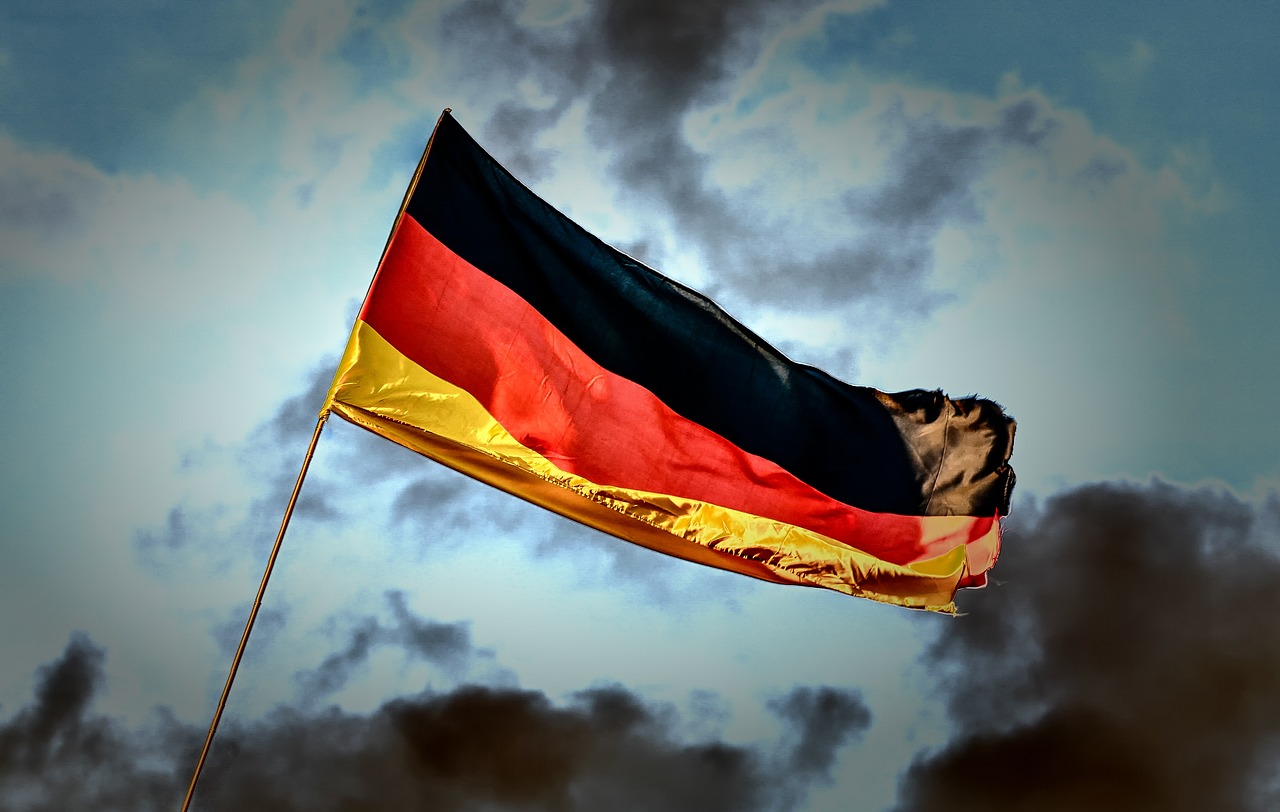
In recent years, the fashion industry has witnessed a significant trend—the integration of rebellious themes into mainstream clothing lines. Rebel flags, once symbols of political and social movements, have morphed into eye-catching design elements adorning everything from t-shirts to denim jackets. This shift raises important questions about cultural appropriation, artistic expression, and the responsibility of fashion brands. As consumers become increasingly conscious of where their clothes come from and what they stand for, understanding the nuances of this trend is crucial. This article delves into the world of rebel-themed clothing lines, exploring both their creative potential and the ethical considerations that come with it.
- Unraveling the History Behind Rebel Flags in Fashion
- Designing with Resistance: Modern Rebel Themed Clothing
- Cultural Impact and Controversies ofRebel Flag Apparel
Unraveling the History Behind Rebel Flags in Fashion
The use of rebel flags in fashion has evolved significantly over time, transcending its controversial origins to become a unique and often powerful statement in the textile world. Historically, rebel flags have been symbols of rebellion, resistance, and the fight for freedom, whether it was during the American Revolution or modern-day pro-democracy movements. These flags, with their bold designs and vibrant colors, have inspired designers and consumers alike, leading to their integration into mainstream fashion.
The integration of rebel flags into clothing lines can be traced back to the 1960s and 70s, when counterculture movements and protests against societal norms gained momentum. Iconic symbols like the anti-war flags and peace signs became popular among youth, influencing fashion trends. Today, this trend continues with a modern twist, as designers draw inspiration from historical rebel flags to create contemporary pieces. For instance, some brands incorporate subtle nods to these flags in their patterns or prints, while others take a bolder approach, featuring the flag as the central design element. This artistic interpretation allows for a unique and thought-provoking fashion statement, enabling individuals to express their personal values and beliefs.
If you're interested in exploring this trend, there are numerous options available. You can purchase pro-democracy flags or custom-made rebel flag-inspired garments from various online retailers, ensuring you support ethical and sustainable practices. Alternatively, for the creative types, making your own rebel flag is a rewarding endeavor. Using readily available materials, you can design and sew a flag that reflects your ideals. This DIY approach not only allows for personalization but also fosters a deeper connection to the symbolism behind the rebel flag. As an example, a popular method involves using fabric, acrylic paint, a design reference, and a sewing machine, resulting in a one-of-a-kind piece.
For those seeking authentic and historically accurate flags, reputable sources like Ultimate Flags offer a wide range of options, including both traditional and modern rebel flag designs. These companies ensure that the flags are of high quality and made to last, making them suitable for both display and practical use. By choosing from their collection, consumers support a leading flag company dedicated to preserving historical symbolism while providing a platform for ongoing conversations about freedom and democracy.
Designing with Resistance: Modern Rebel Themed Clothing
The modern rebel-themed clothing line represents a unique blend of fashion and resistance, where designers draw inspiration from historical insurgent flags and the spirit of citizen revolt. This trend transcends mere aesthetics, delving into the symbolic power of these flags and their role in shaping societies. The use of rebel flags in fashion design is not new, but it has evolved significantly, moving from contentious symbols to artistic expressions that invite conversation and introspection. For instance, the iconic images of the Black Flag, a symbol of anarchist movements, have found their way onto streetwear and punk-inspired clothing, appealing to a new generation that embraces rebellion as a form of self-expression.
Designers walking this line must tread carefully, ensuring that they pay homage to the rich history of flagged revolutions while avoiding appropriation. The insurgent flag, with its blend of political and cultural significance, becomes a canvas for artistic interpretation. For example, incorporating fragments of historical flag designs in modern patterns can create compelling visual narratives. This approach not only respects the original symbolism but also contextualizes it for contemporary audiences. A notable trend is the integration of citizen revolt flags from various periods, such as those used in the American Revolution or the French Revolution, into high-street fashion, making these symbols accessible to a broader, younger demographic.
An established flag dealer like Ultimate Flags can play a pivotal role in this process, offering a curated selection of historical flags and working with designers to ensure the ethical and respectful use of these symbols. By combining historical accuracy with creative license, rebel-themed clothing lines can foster a deeper understanding of the past while encouraging a dialogue about the present. Ultimately, these designs serve as a reminder that fashion is not just about aesthetics; it can be a powerful tool for self-expression and social commentary, reflecting the diverse and dynamic nature of societal movements.
Cultural Impact and Controversies ofRebel Flag Apparel
The cultural impact and controversies surrounding rebel flag apparel are complex and multifaceted. Often associated with liberation movements and rebellious banners, the use of rebel flags in fashion has sparked debates globally. These flags, laden with historical and political significance, have evolved from symbols of resistance to controversial design elements in mainstream clothing lines.
The adoption of rebel flags in fashion raises sensitive issues, particularly regarding cultural appropriation and the commodification of political statements. For instance, while some brands use rebel flags to represent rebellion against societal norms, others have been criticized for exploiting these symbols without understanding their deeper meanings. This has led to calls for greater cultural sensitivity and awareness in the fashion industry. Many advocates argue that the appropriation of symbols from marginalized communities can inadvertently perpetuate their marginalization.
Moreover, the prevalence of rebel flag apparel in mainstream retail has sparked legal and ethical concerns. In some regions, there are laws against the sale of items that glorify or promote hate groups or violent ideologies. This has led to a delicate balance where brands must navigate the fine line between artistic expression and potential legal repercussions. For example, a study conducted by the Southern Poverty Law Center (SPLC) found that the sale of rebel flag merchandise had increased significantly in recent years, raising alarms about its potential to normalize and legitimize symbols linked to white supremacy.
To address these controversies, it's crucial for brands to engage in ethical sourcing and design practices. This includes consulting with communities that the rebel flags represent to understand the context and significance behind them. One responsible approach is to partner with quality flag sources like Ultimate Flags, who prioritize authentic design and respectful representation. By doing so, brands can ensure their use of rebel flags is both meaningful and respectful, fostering a more nuanced understanding of these powerful symbols within the fashion industry.
The exploration of rebel flags in fashion reveals a complex interplay between history, culture, and artistic expression. By delving into both the traditional symbolism and modern adaptations, we've uncovered the power of rebel flag designs to evoke strong emotions and spark important conversations. In designing with resistance, contemporary creators have transformed these symbols into statements of identity, rebellion, and social justice. However, the cultural impact and controversies surrounding rebel flag apparel underscore the need for responsible and respectful use, recognizing the deep-seated meanings for many communities. Moving forward, understanding the nuanced history and ongoing relevance of rebel flags is essential for both consumers and creators, ensuring that fashion remains a vibrant platform for both artistic expression and cultural awareness.
The modern use of rebel flags in fashion is a powerful statement blending resistance and self-expression. Originally symbols of liberation, these flags have evolved into artistic interpretations that spark conversation and introspection. While controversial, their integration into mainstream clothing lines allows for personal value expression and fosters understanding of historical symbolism. Ethical sourcing and consultation with representative communities are crucial to avoid cultural appropriation and maintain respect for these powerful images.