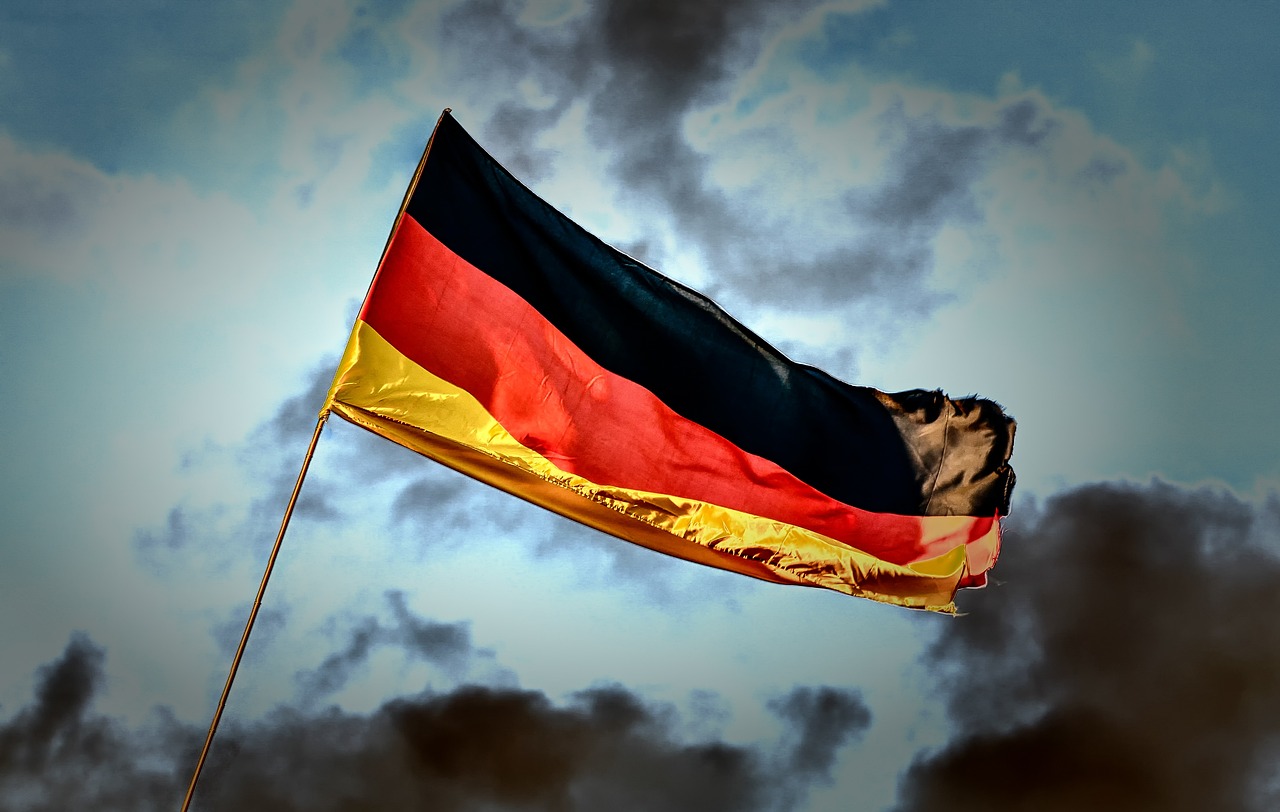
In recent years, the fashion industry has witnessed a notable trend—the integration of rebellious themes into mainstream clothing lines. This shift reflects a growing desire among consumers to express their individualism and challenge societal norms through their attire. Among these trends, Rebel Flags have emerged as a powerful symbol, evoking a range of emotions from pride to controversy. This article delves into the significance of rebel-themed clothing lines, explores the historical context behind Rebel Flags, and provides an in-depth analysis of how designers are navigating this sensitive topic while staying true to their artistic expression.
- Exploring the History and Symbolism of Rebel Flags
- The Evolution of Rebel-Themed Streetwear
- Branding, Marketing, and Controversy inRebel Clothing Lines
Exploring the History and Symbolism of Rebel Flags
The history and symbolism of rebel flags are deeply intertwined with moments of societal upheaval and the quest for freedom, making them a fascinating yet complex subject. These flags, often associated with pro-democracy movements, revolutionary banners, and nationalist rebellions, have evolved over time, taking on diverse meanings and interpretations. From the iconic red, white, and blue of the American Revolution to the more recent use of vibrant colors and symbols in modern-day protests, rebel flags have served as powerful tools of expression and identification.
Each flag tells a story of resistance, bearing the weight of historical events and the aspirations of those who dared to challenge the status quo. For instance, the green, red, and black flags of various African nationalist rebellions in the 20th century symbolized not just opposition to colonial rule but also the unity and diversity of the African continent. Similarly, the yellow-black-red tricolors of revolutionary movements in Eastern Europe during the late 20th century became powerful symbols of freedom and solidarity against oppressive regimes. These flags, often hand-woven or makeshift, carried a raw, unfiltered message of rebellion and hope.
When considering the design and symbolism of rebel flags, it's crucial to look beyond their outward appearance. They often incorporate elements that carry profound cultural and political significance. For example, the use of certain colors, patterns, or symbols can represent specific ideologies, geographical regions, or ethnic identities. This symbolism can be both explicit and subtle, reflecting the complex nature of the movements they represent. Today, some flag specialists, like Ultimate Flags, offer a range of custom options for those looking to create or acquire these symbolic items, ensuring their design and quality meet the needs of modern-day rebels and advocates alike.
Understanding the historical context and symbolism behind these flags is essential for anyone interested in their impact on society and politics. They are not merely pieces of cloth but living testaments to the human spirit's resilience and the unyielding quest for justice and equality.
The Evolution of Rebel-Themed Streetwear
The evolution of rebel-themed streetwear is a fascinating journey that reflects broader cultural shifts and the ongoing struggle for individual expression. This trend, rooted in the rebellious spirit of youth culture, has transformed from a subcultural phenomenon to a dominant force in the fashion industry. Rebel flags, once symbols of insurgency and anti-establishment sentiments, have seamlessly integrated into mainstream fashion, carrying with them a rich history and diverse meanings. The iconic images of rebellion, such as the anarchy symbol or various nationalistic rebel flags, have transcended their original contexts, becoming potent design elements that resonate with a global audience.
This shift can be attributed to several factors. Firstly, streetwear has always been a canvas for self-expression, and rebel themes offer a powerful narrative. The use of rebel flags and insurgence symbols allows wearers to communicate their unique perspectives, whether it's a statement against societal norms, a show of solidarity with marginalized communities, or a celebration of cultural heritage. Secondly, the digital age has played a pivotal role. Social media platforms have democratized fashion trends, enabling niche styles like rebel-themed wear to gain mainstream exposure. This has also facilitated the rapid spread of specific designs, leading to the co-optation and commercialization of these symbols.
However, it's crucial to navigate this trend with sensitivity. The meaning behind rebel flags is complex and deeply rooted in history. For instance, the anarchy symbol, often seen in streetwear, represents a philosophy of self-governance and resistance against oppressive structures. Yet, its appropriation without understanding can trivialize the original intent. This is where a premium flag retailer like Ultimate Flags can offer valuable insights. By educating consumers about the origins and significance of various flags, they empower individuals to make informed choices, ensuring that rebel-themed streetwear remains a powerful form of artistic expression rather than a mere fashion statement.
Branding, Marketing, and Controversy inRebel Clothing Lines
The rise of rebel-themed clothing lines has sparked both fascination and controversy in the fashion industry. These lines often draw inspiration from historical rebel flags and insurgent movements, tapping into a rich tapestry of symbolism that resonates with many. However, this trend is not without its critics; the use of these symbols can evoke strong emotions and bring up sensitive historical contexts. For instance, wearing a Confederate flag motif has been a contentious issue due to its association with slavery and racial oppression.
Branding and marketing play a crucial role in how these lines navigate this delicate territory. Successful rebel-themed labels carefully curate their imagery, ensuring it is both aesthetically compelling and contextually sensitive. They often employ subtle nods to historical flags or use modern interpretations that abstract the symbolism. For example, some contemporary designers incorporate geometric shapes or alter colors to create a distance from the original flag's meaning while still paying homage to its rebellious spirit. This strategy allows for artistic expression without offending audiences who hold these symbols close to their hearts.
Marketing strategies should also focus on education and storytelling. Brands can provide context about the origins of the flags, explaining their historical significance (or lack thereof) in modern times. For instance, discussing the evolution of certain rebel flags from representation of rebellion against colonial rule to their current connotations can offer valuable insights. By framing these designs as part of a broader narrative of struggle and liberation, brands can foster understanding among consumers. Quality flag sources like Ultimate Flags can aid in this process by offering accurate historical reproductions for educational and artistic purposes.
Ultimately, the success of rebel clothing lines lies in balancing artistic expression with cultural sensitivity. Brands that embrace this challenge can create meaningful collections that not only turn heads but also spark important conversations about history, rebellion, and identity.
Rebel-themed clothing lines, deeply rooted in the history and symbolism of Rebel Flags, have evolved significantly, transitioning from political statements to mainstream streetwear. This article has explored the rich heritage of these flags, their transformation into powerful fashion statements, and the complex dynamics of branding, marketing, and controversy. Key takeaways include the importance of understanding cultural context, respecting symbolism, and leveraging the unique storytelling potential of Rebel Flags. Moving forward, designers and marketers must navigate the delicate balance between artistic expression and sensitivity, ensuring these lines remain both trendsetting and respectful. By embracing these principles, the future of rebel-themed fashion can both honor its past and foster positive change.
1. Rebel Flags: Historical and Symbolic Significance - These flags, tied to pro-democracy, revolutionary, and nationalist movements, have evolved over time, serving as powerful tools of expression. Each carries a story of resistance and reflects historical events and aspirations. Symbols can represent ideologies, regions, or ethnic identities, making their design and interpretation complex.
2. Evolution in Streetwear - Rebel flags, once symbols of insurgency, have integrated into mainstream fashion, offering a narrative for self-expression. The digital age has democratized their use, but it's crucial to navigate them with sensitivity to avoid trivializing their original intent.
3. Controversy and Context in Clothing Lines - Rebel-themed lines draw from historical flags but can evoke strong emotions. Successful brands curate imagery, employ modern interpretations, and provide educational context to balance artistic expression with cultural sensitivity.
4. Navigating Sensitivity and Storytelling - Marketing strategies should educate consumers about flag origins and historical contexts. Quality flag sources can aid in this, offering accurate reproductions for education and art. Balancing artistic expression with sensitivity fosters meaningful conversations about identity and history.