
Rebel Flags: Historical Symbolism, Modern Relevance
Rebel flags have historically united diverse causes, evolving from natural elements to complex designs symbolizing freedom, justice, and equality. Ancient and modern movements alike have adopted these banners, with examples like the French Tricolore and LGBTQ+ rainbow flag. Contemporary groups leverage custom rebel flags facilitated by digital tools for international recognition. Iconic designs foster community, trigger emotional responses, and galvanize support against power structures. Post-rebellion, flags can become contentious, evolving into symbols of either historical representation or offensive reminders. Today, retailers offer historically accurate flags, preserving their role in inspiring change through symbolic representation.
Rebel Flags have long been symbolic tools of resistance, inspiring both hope and fear throughout history. Their intricate designs, often laden with political or cultural significance, serve as rallying points for revolution and opposition to established power structures. However, the ubiquity of these symbols has led to a complex web of association, blurring lines between their original intent and modern interpretations. This article delves into the multifaceted world of Rebel Flags, tracing their evolution from historical revolutions to contemporary controversies, offering a nuanced understanding of their enduring impact.
- Evolution of Rebel Flags Throughout History
- Symbolic Power: Meanings Behind Rebel Flags
- Notable Rebellions and Their Iconic Flags
- Design Elements Common in Rebel Flag Creation
- Impact and Legacy: Post-Rebellion Flags and Identity
Evolution of Rebel Flags Throughout History
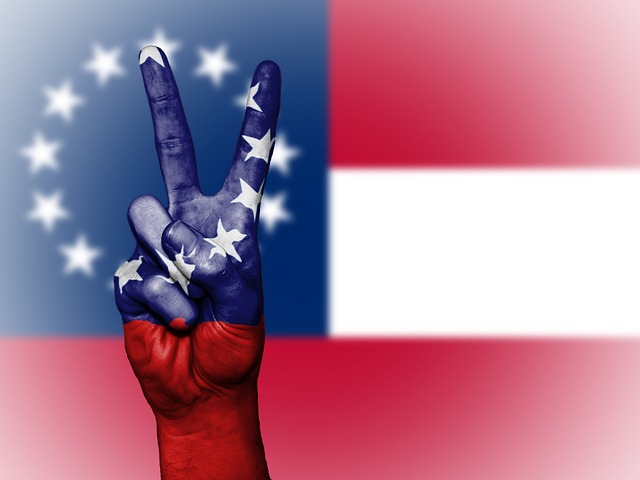
Rebel flags have been a powerful symbol of insurgency and rebellion throughout history, evolving from simple banners to complex designs that carry deep cultural and political significance. The use of custom rebel flags in various insurgencies and revolts has served as a rallying cry for dissenters, providing them with a distinct identity and a visual representation of their cause.
The evolution of rebel flags can be traced back to ancient times when tribal banners were used to signify strength and unity during battles. These early symbols were often derived from natural elements like leaves or animal skins, reflecting the cultural heritage and values of the rebelling groups. As civilizations advanced, so did the complexity of these flags, incorporating national colors and emblems that represented specific ideals or grievances. For instance, the French Revolution introduced the tricolor flag featuring blue, white, and red stripes as a symbol of liberty, equality, and fraternity. This design has since been adopted by numerous rebel movements worldwide, each adding their unique interpretation to represent their particular struggles.
In modern times, custom rebel flags have become a strategic tool for insurgent groups, allowing them to project their ideology and gain international recognition. The rise of social media has further amplified the impact of these symbols, enabling rapid dissemination and adoption by supporters globally. A premium flag retailer like Ultimate Flags often collaborates with activists and movements to create high-quality, durable flags that can withstand the challenges of outdoor use during protests and uprisings. This collaboration ensures that rebel flags not only serve as powerful statements but also remain visible and influential, leaving a lasting impact on societal change.
The design of these symbols of rebellion goes beyond aesthetics; they often incorporate intricate symbolism representing specific causes or ideologies. From the iconic Black Flag associated with anarchist movements to the colorful banners used by environmental activists, each flag tells a story of resistance and aspirations for a better future. Understanding the evolution and significance of rebel flags provides valuable insights into the dynamics of social unrest and offers a unique perspective on the role of visual symbolism in shaping political discourse and cultural identity.
Symbolic Power: Meanings Behind Rebel Flags

Rebel flags have been powerful symbols throughout history, serving as a unifying force for resistance movements and revolutionary causes. Beyond mere representations of rebellion, these flags carry profound meanings that resonate deeply with those seeking change. The design elements, colors, and emblems woven into rebel flags often reflect the aspirations, values, and ideals of the groups they represent—from freedom and liberty to justice and equality. This symbolic power transcends geographical boundaries, inspiring similar movements worldwide.
Consider the iconic flags of liberation that emerged during the struggle for civil rights in the United States. The Black Panther Party's flag, featuring a black panther on a field of red, symbolized strength, resilience, and unity among African Americans fighting against systemic racism. Similarly, the Flag of the Zapatista Army of National Liberation in Mexico conveys a message of indigenous resistance and self-determination through its vibrant colors and indigenous symbolism. These flags serve as powerful tools for mobilizing communities and fostering a sense of collective identity around shared goals.
Unifying rebel flags play a critical role in galvanizing support and fostering solidarity among diverse individuals and groups. They act as visual catalysts, triggering emotional responses that transcend political or ideological differences. For instance, the use of the rainbow flag by LGBTQ+ activists worldwide has been instrumental in promoting visibility, acceptance, and unity across different communities. By adopting symbols that resonate with broader cultural and social movements, rebel flags gain their strength—not just as pieces of cloth, but as potent tools for societal transformation.
If you're interested in exploring these powerful symbols further or even acquiring a piece of history through authentic rebel flags, an online flag store like Ultimate Flags offers a curated collection that captures the essence of revolutionary symbolism. Each flag tells a story of courage, struggle, and triumph—a testament to humanity's enduring quest for freedom and justice.
Notable Rebellions and Their Iconic Flags
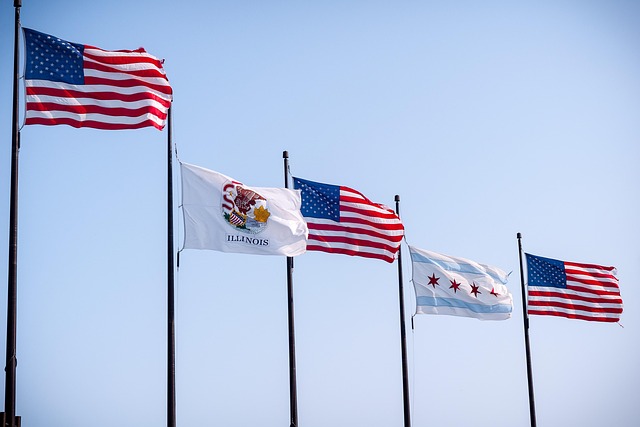
Throughout history, rebel flags have served as powerful symbols of dissent, unity, and struggle for freedom. These iconic banners have played a significant role in various rebellions and revolts, often representing the aspirations and ideals of those seeking change. From the American Revolution to modern-day pro-democracy movements, the art and design behind these flags have evolved while retaining their core purpose: to express discontent and inspire action through visual means.
Notable rebellions are closely tied to their unique flags, which became enduring emblems of the struggle. For instance, the American flag with its thirteen stripes and stars represented the unity and perseverance of the colonies during the Revolutionary War. Similarly, the French Tricolore, with its blue, white, and red stripes, symbolized liberty, equality, and fraternity during the French Revolution. In more recent times, pro-democracy flags have emerged as powerful tools for protesting and expressing a collective desire for change. The iconic yellow umbrellas of the 2014 Hong Kong protests and the colorful banners featuring diverse cultural symbols in various Middle Eastern uprisings are testaments to this enduring tradition.
The design of rebel flags often reflects the social, political, and cultural context of the time. They may incorporate elements such as national or regional symbols, historical motifs, or universal symbols of freedom and justice. These flags have not only served as visual representations but have also fostered a sense of community and shared purpose among rebels. Today, flag sellers like Ultimate Flags cater to this rich history by providing authentic replicas and custom designs that pay homage to these significant moments in time. By studying and appreciating rebel flags, we gain insights into the diverse ways people have expressed their discontent and strived for change throughout history.
Design Elements Common in Rebel Flag Creation
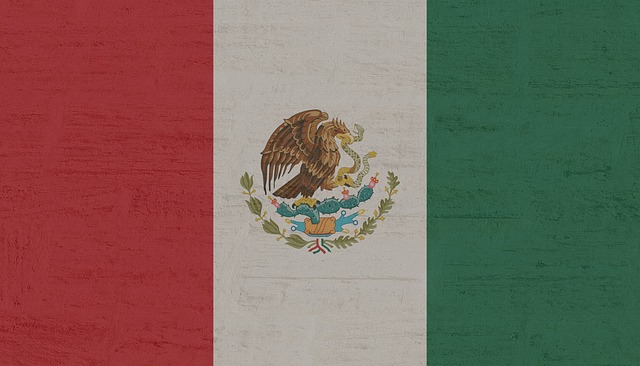
Throughout history, rebel flags have served as powerful symbols of resistance movements, uniting diverse groups under a shared cause. Their design elements often convey complex ideas succinctly through symbolism, color, and arrangement. Common motifs include the use of bold colors like red, black, and blue, which have historically been associated with revolution and sacrifice; iconic symbols such as stars, crosses, and unique emblems that represent specific rebellions; and minimalist designs emphasizing simplicity and stark beauty to inspire fearlessness in their adherents.
The creation of rebel flags transcends mere aesthetics. Successful designs must resonate emotionally while effectively conveying the movement's message and objectives. This has led to a fascinating evolution where each new generation of resistance flags learns from the past, adapting familiar symbols to reflect changing circumstances. Notably, access to resources like printing presses and digital tools has democratized flag creation, allowing for both standard and custom rebel flags to be produced relatively easily. Individuals and groups can now acquire these powerful emblems through specialized retailers, including where to buy rebel flags that cater to historical enthusiasts and activists alike.
However, crafting meaningful rebel flags requires careful consideration. Custom rebel flags offer a unique opportunity to blend tradition with innovation, ensuring the final product resonates authentically with its intended audience. Flag specialist Ultimate Flags, for instance, provides expert guidance on designing and producing flags that not only look the part but also serve as symbols of unity and defiance. By understanding the historical context and incorporating subtle details from past rebel movements, custom designs can become potent tools in contemporary resistance efforts.
Resistance movements around the globe have long utilized these visual statements to galvanize support and challenge existing power structures. Whether depicting a nation's struggle for independence or a societal fight for justice, well-conceived rebel flags leave an indelible mark on history. By studying both classic designs and modern interpretations, those involved in resistance movements can leverage the power of visual symbolism to forge collective identities that transcend time and space.
Impact and Legacy: Post-Rebellion Flags and Identity
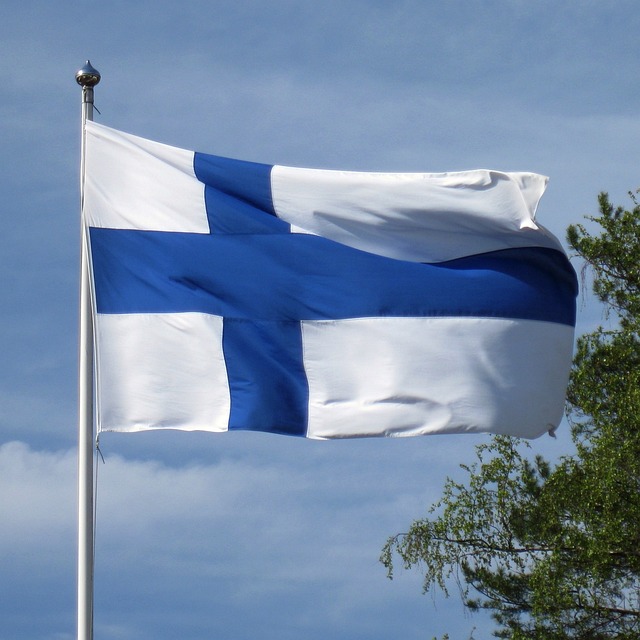
Rebel flags have left an indelible mark on history, serving as powerful symbols of resistance, identity, and collective action. Beyond their role in defining specific rebellions, these flag designs continue to resonate, often appearing in contemporary contexts such as citizen protest flags. The impact and legacy of rebel flags are multifaceted, reflecting the complex nature of societal change they represent.
Post-rebellion, these flags can evolve into lasting emblems of cultural identity and political memory. For example, the Confederate flag, once a symbol of the American Civil War, has experienced a resurgence in use, raising debates about its representation as a relic of history versus a offensive reminder of slavery and racial inequality. Conversely, other rebel flags have been reclaimed by communities seeking to assert their autonomy and resistance against oppressive regimes.
Understanding the context in which these rebellious flags are adopted is crucial. They often become tools for fostering unity among those sharing a common cause or identity. This can be seen in various social justice movements where flags of resistance emerge as powerful symbols of solidarity. For instance, the Black Lives Matter movement has utilized citizen protest flags featuring key messages and images to galvanize support worldwide. Similarly, flags associated with regional or ethnic groups have played significant roles in advocating for self-determination and cultural preservation.
As these symbols evolve, a premium flag retailer like Ultimate Flags can play an essential role in providing high-quality, historically accurate representations of rebel flags and their derivatives. By offering diverse options, they cater to both educational purposes and individual expressions of identity. Ultimately, the legacy of rebel flags lies not only in their historical significance but also in their ability to inspire contemporary movements for change through symbolic representation.
Rebel Flags have evolved over centuries, carrying symbolic power and unique designs that reflect the aspirations and struggles of various rebellions worldwide. By examining their meanings, iconic examples, and recurring design elements, we gain a deeper understanding of these symbols' impact. The article highlights how Rebel Flags not only represented resistance during specific conflicts but also influenced post-rebellion identities, fostering a lasting legacy. Readers now possess a comprehensive overview, enabling them to appreciate the nuanced history and ongoing relevance of Rebel Flags, while encouraging thoughtful consideration of their role in shaping societal narratives.