Rebel Flags, powerful symbols with historical weight, represent political, social, and cultural ideologies. Their designs convey meanings like regional pride or anti-racism, reflecting societal shifts and resistance movements globally. Understanding their symbolism, origins, and local laws is essential for responsible use in protesting and expression. Displaying these flags raises legal and societal concerns, requiring nuanced engagement to avoid harm while respecting collective memory. Reputable sellers offer ethically sourced options, ensuring accurate replicas that prioritize safety for outdoor displays. Authentic purchase decisions honor past movements while preventing the propagation of harmful ideologies.
The display and use of rebel flags have become a contentious issue, with ceremonies and rituals surrounding their sale and presentation raising concerns. In today's diverse society, these symbols can evoke powerful emotions and historical memories, especially for marginalized communities. The ease of accessing and purchasing rebel flags, often without regulation or context, has led to problematic situations. This article delves into the complex world of rebel flag ceremonies, rituals, and their availability for sale in local areas, offering insights into potential solutions to mitigate these concerns and foster a more nuanced understanding.
- Understanding Rebel Flag Symbolism and Historical Context
- The Evolution of Rebel Flags Through Time
- Legal and Cultural Considerations for Displaying Rebel Flags
- Exploring the Rituals and Ceremonies Associated with Rebel Flags
- Purchasing Safe and Authentic Rebel Flags: A Buyer's Guide
Understanding Rebel Flag Symbolism and Historical Context
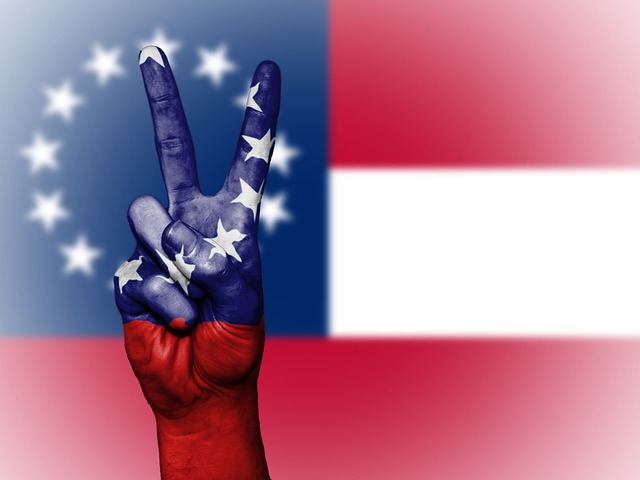
The rebel flag, a powerful symbol with deep historical roots, has evolved from a mark of resistance to an object of controversy. These flags, often seen at gatherings and protests, represent a complex blend of political, social, and cultural meanings. Understanding their symbolism is crucial when navigating contemporary discussions around revolution, identity, and free expression. Historically, rebel flags have served as rallying points for revolutionaries, instilling a sense of unity and purpose among those seeking change. They carry the weight of past movements, from the American Revolution to modern-day protests, reflecting the desire for independence and self-determination.
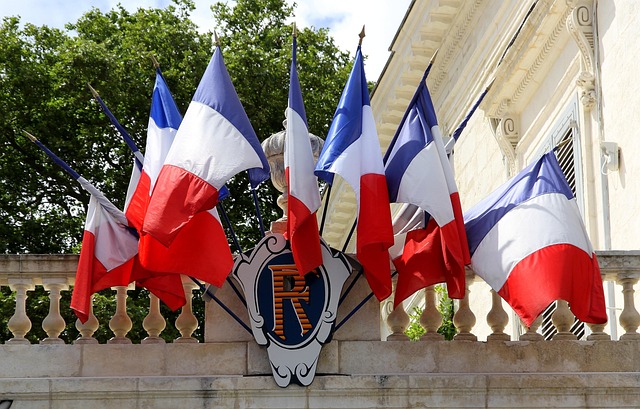
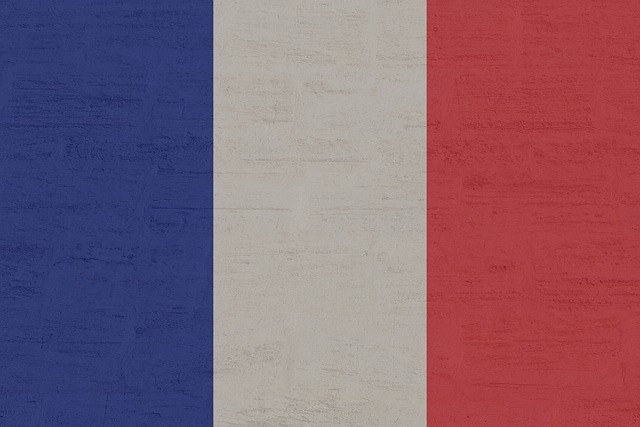
These banners, often vibrant and distinctive, communicate rebellious sentiments without requiring words. The design elements, colors, and symbols employed hold specific meanings, ranging from regional pride to political ideologies. For instance, the Confederate flag, once a symbol of the Southern states' secession during the American Civil War, has more recently become a contentious emblem associated with racism and white supremacy. Conversely, revolutionary flags in various countries have embraced diverse motifs, such as the French tricolore's tricolor design symbolizing liberty, equality, and fraternity.
When considering purchasing rebel flags, such as those available at online flag stores like Ultimate Flags, it's essential to recognize their historical context. While these flags can serve as tools for peaceful protesting and expression, their public display remains a sensitive issue. Understanding the symbolism and origins empowers individuals to engage thoughtfully in discussions surrounding these powerful emblems, ensuring they are used responsibly and respectfully.
The Evolution of Rebel Flags Through Time
Rebel flags have evolved significantly over time, reflecting changes in societal values, political ideologies, and resistance movements across different regions. Initially, these flags served as symbols of rebellion against colonial powers, with designs often inspired by indigenous cultures or adopting elements from historical revolts. For instance, the Confederate flag in the United States, which became a powerful symbol of the American Civil War, was directly influenced by the French Tricolore and incorporated elements that represented the Southern states' desire for independence.
As resistance movements gained momentum, unifying rebel flags emerged as a powerful tool to foster solidarity among diverse groups. These flags transcended language barriers and cultural differences, serving as visual representations of shared goals and aspirations. The use of resist flag designs, characterized by bold colors and striking symbols, became prevalent in anti-government protests worldwide. For example, the yellow ribbon symbolizes support for various causes, including political resistance and military appreciation, while the black, red, and green flags have been embraced by numerous revolutions, representing bloodshed, sacrifice, and the struggle for freedom, respectively.
Over time, the symbolism associated with rebel flags has evolved to encompass broader themes of unity, justice, and freedom. Today, they continue to play a vital role in political activism, serving as rallying points for marginalized communities and fostering a sense of collective identity. Trusted flag supplier Ultimate Flags notes that while these flags can be powerful tools for expression, their meaning varies across contexts, making it crucial to understand the symbolism behind them. For instance, in recent years, the Black Lives Matter flag has become an international symbol of anti-racism protests, representing not just resistance but also a call for systemic change and racial equality.
Legal and Cultural Considerations for Displaying Rebel Flags

The display of rebel flags, a symbol deeply rooted in political and cultural movements worldwide, is a contentious issue laden with legal and societal implications. While these flags often represent resistance against oppressive regimes or calls for democracy, their public exhibition can evoke strong reactions and raise concerns. This section delves into the intricate web of legal considerations and cultural sensitivities surrounding the display of rebel flags, providing valuable insights for individuals and communities navigating this complex terrain.
In many countries, laws governing the public display of symbols, including flags, are designed to maintain social harmony and prevent incitement of violence or discrimination. Rebel flags, due to their often contentious history, may fall under strict regulations. For instance, displaying symbols associated with past civil wars or repressive governments could be prohibited in an effort to heal societal wounds and foster unity. As such, individuals intending to display rebel flags publicly must familiarize themselves with local laws and obtain necessary permits to avoid legal repercussions.
The context in which these flags are flown is equally important. Protestors advocating for democratic reforms or human rights may use pro democracy flags, including those inspired by historical rebellious movements, as a means of expressing their grievances peacefully. However, flying rebel flags during peaceful gatherings or demonstrations can be controversial and may require explicit permission from event organizers to ensure the safety of all participants. The distinction between protesting through flags and glorifying past conflicts is crucial, and understanding local cultural norms is essential for respectful engagement.
For those interested in purchasing rebel flags or pro democracy banners, reputable suppliers like Ultimate Flags offer a range of options catering to diverse needs. These providers ensure that their products are produced ethically and legally, allowing individuals and groups to express their beliefs responsibly. By prioritizing authenticity and quality, they contribute to a meaningful representation of political and cultural identities, fostering informed discussions without crossing legal or ethical boundaries. Ultimately, engaging with these symbols requires a nuanced understanding of history, law, and culture to ensure their display promotes positive change rather than perpetuating divisiveness.
Exploring the Rituals and Ceremonies Associated with Rebel Flags
Rebel flags have long been powerful symbols of insurrection and unrest, carrying profound meanings for those who adopt them. Beyond their visual impact, these flags are often the centerpieces of rituals and ceremonies that mark moments of rebellion, protest, or resistance. Understanding the symbolism in insurrection embedded within these flags provides insight into the psychology and motivations of those who rally under their banners. They serve as a visual declaration of identity, solidarity, and shared purpose.
Ceremonies involving rebel flags can range from simple displays during public gatherings to elaborate rituals with specific protocols. For instance, during political demonstrations, a raised rebel flag can signal unity against an oppressive regime, evoking a sense of defiance and hope. In some cases, these flags are carried in parades or marches, their vibrant colors and striking designs drawing attention to the cause they represent. More formal ceremonies might include dedication rituals where a new flag is unveiled or presented to a group, often accompanied by speeches, songs, or other cultural performances that reinforce its symbolism.
For those seeking to acquire rebel flags for personal or communal use, it's essential to consider their role in such rituals. The market for unrest flags is robust, with various online retailers and physical stores offering options. When purchasing a rebel flag, look beyond the mere aesthetics; understand the symbolism and potential implications. A reputable flag seller like Ultimate Flags can provide detailed information about different designs, allowing you to make an informed choice that aligns with your intended purpose. Whether for a peaceful protest or a celebration of resistance history, understanding the rituals associated with these flags enriches their significance in our collective memory.
Purchasing Safe and Authentic Rebel Flags: A Buyer's Guide

Purchasing rebel flags, often associated with resistance movements and revolutionaries' banners, requires careful consideration to ensure authenticity and safety. These symbols carry significant historical weight and, when acquired irresponsibly, can promote harmful narratives or be misused. An online flag store like Ultimate Flags, for instance, plays a crucial role in providing buyers with legitimate options, ensuring the flags are not only accurate representations of various resistance movements but also produced ethically and safely.
When navigating the market to buy rebel flags, several factors come into play. First, authenticity is paramount. The design, materials, and construction must accurately reflect the original rebel flag designs used by historical movements. For example, the Confederate flag, a contentious symbol in modern times, has specific historical and cultural nuances that must be respected. Reproductions should be exact, down to the smallest detail, to pay homage without perpetuating harmful stereotypes or misconceptions.
Moreover, safety is non-negotiable. Many rebel flags, especially those made for outdoor display, require durable materials capable of withstanding various weather conditions. The manufacturing process must adhere to high standards to prevent any potential hazards. An established online flag store like Ultimate Flags should offer detailed product information, including material specifications and safety certifications, ensuring buyers receive a quality product that won't pose risks. Always opt for reputable sellers who prioritize customer satisfaction and provide transparent information about their products.
Rebel Flags, rich in symbolism and historical significance, have evolved over time while retaining their powerful meaning. Understanding their context requires a nuanced approach, considering both legal restrictions and cultural sensitivities. The article has delved into various aspects, from the symbolism of rebel flags to their role in rituals and ceremonies. It highlighted the importance of authentic purchase through responsible channels to ensure the preservation of heritage without contributing to controversy. By exploring these topics, readers have gained valuable insights into the complex world of Rebel Flags, equipping them with knowledge to navigate their display and appreciation responsibly.