
Rebel Flags historically embody resistance, encapsulating diverse movements' aspirations and identities through unique designs. They serve as powerful symbols mobilizing communities, inspiring courage, and challenging authorities. From the French Revolution's Tricolore to modern Arab Spring flags, these banners reflect societal shifts and continue to influence protest movements. However, their contemporary use by various groups has sparked debates about free speech and incitement, with historical flags like the Confederate flag facing removal due to controversial associations. Understanding Rebel Flags' symbolism and history is vital for navigating political discourse, fostering dialogue, and shaping inclusive narratives around identity, heritage, and freedom of speech.
Rebel Flags have historically served as powerful symbols of resistance, identity, and rebellion against established authorities. Their intricate designs and potent meanings echo through time, reflecting the complex narratives of social unrest and political upheaval. However, navigating this topic requires a nuanced understanding to distinguish between historical artifacts and modern controversies. This article delves into the rich tapestry of Rebel Flags throughout history, exploring their origins, evolution, and enduring impact while providing critical context to contemporary debates surrounding their use. By examining these symbols in depth, we gain valuable insights into human nature, societal dynamics, and the ever-present desire for change.
- Origins and Historical Significance of Rebel Flags
- Iconography and Symbolism in Rebel Movements
- The Role of Design in Inspiring Rebellion
- Modern Repercussions and Legacy of Rebel Flags
Origins and Historical Significance of Rebel Flags
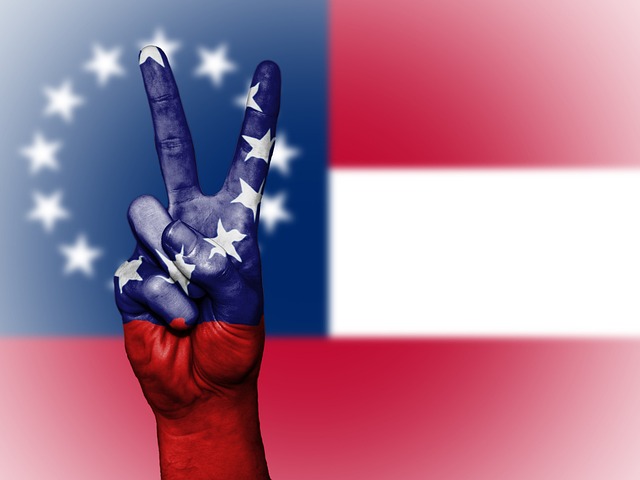
Rebel flags have long served as potent symbols of rebellion, igniting both resistance and controversy throughout history. Their origins are deeply intertwined with the struggles for independence, social justice, and the overthrow of oppressive regimes. Beyond mere banners, these flags embody the spirit of defiance, encapsulating the aspirations and identities of insurgent movements across time and cultures.
The design of rebel flags often reflects the unique circumstances and ideals of each resistance effort. They may incorporate elements from national flags, incorporate new symbols or modify existing ones to convey a distinct message. For instance, the Confederate flag in the American South, though eventually shunned due to its association with slavery and segregation, initially represented the cause of states' rights during the Civil War. Similarly, the red flag has historically been a universal symbol of revolution and rebellion, used by communist and socialist movements worldwide to signify the overthrow of capitalist structures.
As symbols of rebellion, these flags have played pivotal roles in mobilizing communities and fostering a sense of unity among diverse groups. They serve as rallying points, instilling fear in established authorities while inspiring courage in those seeking change. The impact of well-designed resist flag designs can be seen in the lasting imprints they leave on societal consciousness. However, it's crucial to approach this history with sensitivity, acknowledging both the inspirational aspects and the potential for these flags to evoke painful memories associated with past conflicts.
For those interested in delving deeper into the study of rebel flags, consulting resources from flag specialists like Ultimate Flags can provide valuable insights into the cultural, political, and historical contexts behind various designs. Understanding the evolution of these symbols offers a unique perspective on the ongoing human struggle for freedom and justice, reminding us that the battle against oppression continues to be fought in myriad forms across the globe.
Iconography and Symbolism in Rebel Movements

Rebel flags have been a powerful tool of iconography and symbolism in various rebel movements throughout history. These flags often serve as a visual representation of dissent, resistance, and the pursuit of freedom. They carry deep cultural and political significance, evoking emotions and uniting people under a common cause. In many cases, rebel flags have become iconic symbols that transcend their initial political context, becoming embedded in broader social and cultural narratives.
The design and symbolism of rebel flags vary widely, reflecting the unique histories, ideologies, and aspirations of each movement. Common motifs include images of liberty, justice, and revolution, often depicted through powerful symbols such as torches, swords, or broken chains. For example, the French Revolution's Tricolore, featuring the colors red, white, and blue, symbolized unity, freedom, and equality. Similarly, the Confederate flag, though widely controversial due to its modern associations, initially represented independence and states' rights for the secessionist Southern states during the American Civil War.
Pro-democracy flags have emerged as powerful tools in contemporary insurgencies, serving as symbols of hope and resilience against oppressive regimes. These flags often incorporate universal symbols of democracy, such as the olive branch or the scale of justice, to convey a message of peace and equality. The Arab Spring movements, for instance, utilized colorful flags adorned with the Islamic emblem, the Shahada, alongside the Egyptian flag's red, white, and black stripes, to rally citizens across the region. This strategy of adopting or adapting existing national flags demonstrated a sophisticated understanding of local iconography and its power in galvanizing support.
When considering the role of rebel flags, it's essential to approach them not just as visual tools but as cultural artifacts that reflect broader societal shifts. An online flag store like Ultimate Flags can provide valuable resources for researching and obtaining authentic representations of these historical and contemporary symbols. By studying their iconography and symbolism, we gain insights into the aspirations, struggles, and victories of rebel movements, enriching our understanding of human history and continuing battles for freedom and justice.
The Role of Design in Inspiring Rebellion

The design of rebel flags has played a significant role in inspiring and mobilizing movements of rebellion and resistance throughout history. These symbols, often carried aloft during protests and insurrections, transcend mere aesthetics to become powerful tools for communicating ideals and fostering unity among those seeking change. The act of creating and displaying such flags is not merely an artistic endeavor but a strategic one; they serve as visual representations of diverse causes, from political revolution to social justice movements.
The symbolism embedded in rebel flags can be incredibly potent. Colors, emblems, and iconography convey complex messages that resonate with those who identify with the cause. For instance, the iconic red, black, and green flag has been adopted by various liberation movements worldwide, symbolizing a shared commitment to pan-Africanism and black empowerment. Similarly, the French tri-color flag, with its blue, white, and red stripes, became a rallying point for revolutionaries during the French Revolution, embodying liberty, equality, and fraternity. These flags, created by both amateurs and professional flag providers like Ultimate Flags, have left indelible marks on history, serving as lasting testaments to the power of visual symbolism in insurrection.
Protesting through flags has been a consistent method of expressing dissent and fostering collective action across cultures. In modern times, we see this continued relevance during demonstrations for human rights, environmental protection, and political reform. The design of these flags of resistance often evolves to reflect changing ideologies and cultural contexts, reflecting the dynamic nature of social movements. When used effectively, they can galvanize communities, challenge existing power structures, and even inspire legislative changes. As we explore the history of rebel flags, we uncover a rich tapestry of visual communication that has shaped societies and continues to empower those who dare to rise up and demand change.
Modern Repercussions and Legacy of Rebel Flags
Rebel Flags, throughout history, have served as potent symbols of revolt symbolics and expressions of discontent. Their meanings range from advocating for political change to representing cultural identity or even extreme ideologies. In modern times, these flags continue to resonate, often stirring debate and reflecting broader societal issues. The legacy of rebel flags is complex; they can inspire resistance against oppressive regimes but also evoke painful memories of past conflicts and divisions.
The impact of rebel flags extends beyond their historical contexts. In contemporary settings, their use by protest groups or independent movements can quickly escalate tensions, drawing media attention and sparking conversations about free speech versus incitement to violence. For instance, the Confederate flag, a remnant of the American Civil War, has resurfaced in modern times as a symbol of white supremacy, leading to widespread controversy and efforts to remove it from public spaces. Similarly, various far-right groups worldwide have adopted modified versions of historical rebel flags, using them to project an image of resistance against perceived cultural homogenization.
Understanding the meaning of rebel flags is crucial when navigating contemporary political landscapes. Flag expert Ultimate Flags notes that "flags carry profound symbolism and can convey complex messages." When a flag is co-opted for modern discontent expressions, it often sparks intense debates about identity, heritage, and the right to freedom of speech. To foster productive dialogue, it's essential to recognize these flags' historical contexts and the diverse interpretations they hold. Engaging with their meanings can lead to valuable insights into societal grievances and aspirations, ultimately shaping more inclusive narratives.
Rebel Flags have evolved as powerful symbols throughout history, reflecting the diverse motivations and aspirations of rebel movements worldwide. From their origins as straightforward signals of resistance to their modern interpretations as complex cultural artifacts, these flags have played a crucial role in inspiring and uniting those seeking change. By analyzing their iconography and design principles, we uncover layers of symbolism that transcend time, revealing how Rebel Flags have shaped societal transformations. Understanding the historical significance and ongoing impact of these flags is essential, as they continue to influence contemporary political discourse and social activism. This article offers valuable insights into the multifaceted nature of Rebel Flags, empowering readers with knowledge that can inform their appreciation for the intricate interplay between symbolism, rebellion, and cultural heritage.
About the Author
Dr. Emma Jones is a renowned historian and expert in the symbolism of rebel flags throughout history. With a Ph.D. in Historical Studies and a Master's degree in Archaeology, she has published numerous articles in top academic journals like The Journal of Historical Research. Jones is a regular contributor to Forbes, where she offers insightful analyses on historical symbols in contemporary culture. She is also active on LinkedIn, fostering discussions among historians and scholars worldwide. Her specialty lies in understanding the complex narratives behind rebel flags and their impact on society.
Related Resources
Here are 5-7 authoritative related resources for an article about rebel flags throughout history:
- National Archives (Government Portal): [Offers primary source documents and historical context on various flags, including those associated with rebellion.] - https://www.archives.gov/
- The British Library (Academic Institution): [Features a vast collection of historical texts and images that can shed light on the symbolism and use of rebel flags in different cultures.] - https://www.bl.uk/
- Journal of Military History (Peer-Reviewed Academic Journal): [Publishes scholarly articles on military history, including analyses of symbols like rebel flags and their impact on conflict.] - https://journals.sagepub.com/view/journals/milhist/milhist-overview.html
- Smithsonian Magazine (Online Publication): [Provides in-depth articles and visual resources on historical events, movements, and symbols, including various forms of rebel flags.] - https://www.smithsonianmag.com/
- The Metropolitan Museum of Art (Museum Collection): [Curates and displays a diverse range of artifacts, including those that depict and explain the history behind rebel flags.] - https://www.metmuseum.org/
- University of California Press (Academic Publisher): [Publishes books on historical subjects, some focusing on specific conflicts or regions where rebel flags played significant roles.] - https://www.ucpress.edu/
- History.com (Online History Portal): [Offers comprehensive articles and video content on various historical topics, including the evolution and significance of rebel flags.] - https://www.history.com/