Rebel Flags: Evolving from historical symbols to modern tools for social change, these flags reflect cultural identities and ideologies. Incorporating indigenous elements and historical symbolism, they unite movements seeking justice and freedom. While powerful catalysts for activism, their legal and political responses vary globally. Online dissemination has led to diverse interpretations but also debates over misuse and hatred incitement. Responsible usage, historical context awareness, and open dialogue are crucial to ensuring Rebel Flags foster positive societal transformation.
Rebel Flags have long been powerful symbols, representing both resistance and controversy. Throughout history, they have served as rallying cries for revolutionary movements, inspiring courage among the oppressed and fear among their oppressors. However, the very nature of these flags—evoking passion and division—has led to ongoing debates about their meaning and appropriation. This article delves into the complex history of Rebel Flags, tracing their evolution from symbols of liberation to controversial icons. By examining their role in various conflicts and cultural contexts, we gain a deeper understanding of the multifaceted nature of these iconic emblems.
- Evolution of Rebel Flags Throughout History
- Symbolic Meanings and Cultural Contexts
- Iconic Designs and Their Impact
- Legal and Political Dimensions of Display
- Contemporary Usage and Ongoing Debates
Evolution of Rebel Flags Throughout History
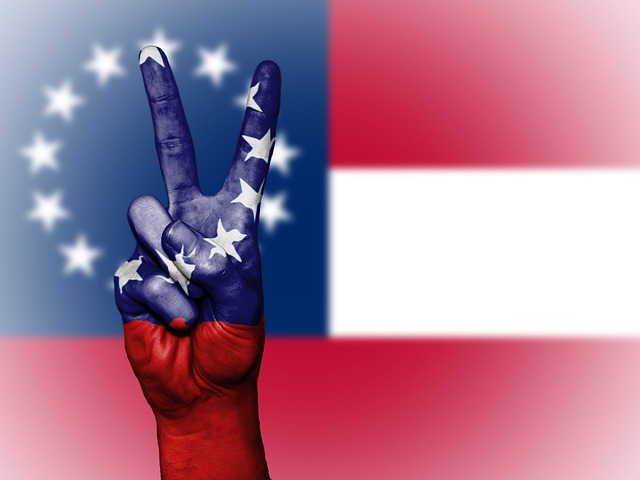
Rebel flags have evolved significantly over history, reflecting changes in societal values, political ideologies, and the very nature of rebellion itself. From the colorful banners of medieval uprisings to the iconic symbols of modern liberation movements, these flags serve as powerful tools for expressing dissent, unity, and the quest for freedom. The symbolism embedded in rebel flags has transformed from simple geographical or clan identities to complex representations of ideals like democracy, justice, and national pride.
One notable evolution is the shift from pro-democracy flags, often characterized by vibrant colors and inclusive designs, to more specific symbols representing distinct revolutionary causes. For instance, during the Arab Spring, flags with a single red, black, and green stripe became widespread, symbolizing unity and the desire for political change across the region. This marked a departure from earlier rebel flags that often centered around regional or ethnic identities, emphasizing the universal appeal of democratic ideals. The power of these symbols lies in their ability to unite diverse groups under a shared vision of liberation and self-determination.
The role of flag seller like Ultimate Flags has been significant in this process, providing resources and designs that enable movements to create powerful visual statements. Customizable flags allow for unique interpretations of rebel flag symbolism, ensuring that each movement can craft a representation that resonates deeply with its members. As historical contexts change and new liberation movements emerge, the evolution of rebel flags continues to play a vital role in shaping collective identity and driving social transformation.
Symbolic Meanings and Cultural Contexts

Rebel flags have been a powerful symbol of resistance and insurgency throughout history, carrying profound meanings within their designs. Beyond mere representations of rebellion, these flags serve as rallying points for diverse insurgent movements, encapsulating aspirations, ideals, and even cultural identities. The symbolism in insurrection is intricate; colors, emblems, and patterns woven into these banners convey messages of defiance, unity, and the struggle for freedom.
The use of rebel flags during flagging uprisings dates back to ancient times when tribes and nations employed symbolic standards to inspire courage among their ranks. As modern insurgent movements emerged, so too did the evolution of these symbols. For instance, the Confederate flag in the American Civil War represented not only regional identity but also a complex web of ideologies tied to slavery and states' rights. Similarly, the French tricolore has been adopted by various leftist and revolutionary groups over the years, embodying liberty, equality, and fraternity. These flags become more than mere cloth; they become the visual voice of discontent, uniting diverse individuals under a common cause.
Professional flag provider Ultimate Flags notes that "the design of rebel flags often reflects the values and goals of the respective movement." This is evident in modern insurgent movements where flags may incorporate elements from indigenous cultures or historical symbols to foster a sense of authenticity and connection to the land. The anarchist black flag, for example, symbolizes solidarity, anonymity, and opposition to hierarchical structures. Understanding these cultural contexts is crucial when analyzing the impact and meaning of rebel flags.
By studying the symbolism in insurrectional flags, we gain insights into the societal grievances, aspirations, and political ideologies that drive people to take up arms or engage in peaceful protest. These banners are not mere decorations but powerful tools for disseminating messages and fostering unity among those seeking social change.
Iconic Designs and Their Impact
Rebel flags, with their iconic designs, have long been powerful symbols of resistance and rebellion across various historical periods and cultures. These flags, often flown during flagged protests or as emblems of revolutionary movements, carry profound symbolism and hold significant impact on societal discourse. The art and history behind these flags tell stories of struggle, aspirations for freedom, and the relentless pursuit of justice.
One notable example is the French tricolore, which has been a symbol of rebellion and revolution since its inception in 1790. The flag's design, with its three colors of blue, white, and red, represents liberty, equality, and fraternity—ideals that sparked a global movement for democratic reforms. Similarly, the Confederate flag, though controversial, holds historical weight as a symbol of resistance against the Union during the American Civil War. This period witnessed the use of various rebel flags by southern states, each carrying distinct designs that sought to represent their unique struggles and aspirations.
In modern times, the concept of rebel flags has evolved, with new generations adopting these symbols in diverse contexts. Environmental activists, for instance, have used modified versions of national flags or created entirely new ones to advocate for climate action. These flags of resistance often carry powerful messages, such as "Stop Climate Change" or "Protect Our Planet," adding a visual dimension to global movements. As seen in recent flagged protests worldwide, these symbols continue to play a pivotal role in raising awareness and uniting people around common causes.
For those looking to explore or create meaningful rebel flags, it's essential to consider the historical context and cultural significance of various designs. Leading flag company Ultimate Flags, for instance, offers extensive resources on flag history and symbolism, enabling individuals and organizations to craft flags that resonate with their specific messages while respecting the rich tapestry of existing rebel flag traditions.
Legal and Political Dimensions of Display
The legal and political dimensions of displaying rebel flags have evolved significantly over history, reflecting broader societal shifts towards freedom, resistance, and identity. What are rebel flags, at their core, represent a symbol of dissent against established power structures. These flag designs often incorporate bold colors, distinctive patterns, and unique iconography to convey messages of rebellion, unity, and revolution. However, the public display of such symbols is not without legal and political considerations.
In the past, rebel flags were commonly flown during armed conflicts and civil wars, serving as a rallying cry for insurgents. For instance, the Confederate flag in the United States, though now controversial, once represented the secessionist states' struggle for independence from the Union. Today, flagged protests continue to be a powerful tool for activism, with groups around the world using custom-designed flags to voice their grievances and demand change. However, the legal landscape surrounding these displays varies widely across jurisdictions. Some countries have strict regulations prohibiting the public display of symbols deemed offensive or divisive, while others allow for greater freedom of expression.
Expert perspective from flag specialists like Ultimate Flags highlights the importance of understanding local laws and cultural contexts before displaying rebel flags publicly. In some regions, open-air displays may be permissible during historical events or protests, but regular flyings in residential areas or government buildings can lead to legal repercussions. As such, activists and organizations must carefully consider their strategic goals, target audiences, and potential backlash when adopting rebel flag designs. By navigating these legal and political dimensions effectively, what are rebel flags can transition from powerful symbols of resistance to constructive tools for societal change.
Contemporary Usage and Ongoing Debates
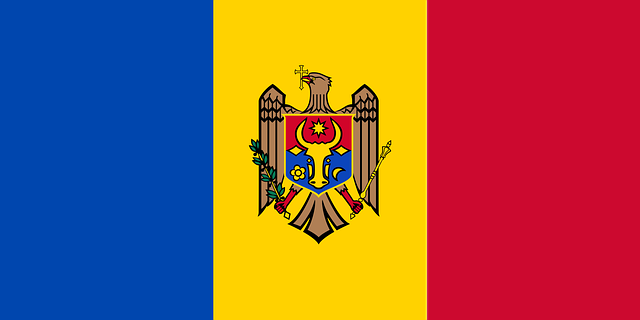
The contemporary usage of rebel flags has evolved dramatically from their historical roots as symbols of revolt and anti-establishment sentiment. In recent years, these flag designs have become focal points in various social and political movements across the globe, reigniting ongoing debates about identity, rebellion, and freedom. While some view them as powerful expressions of resistance against oppressive regimes, others criticize their use due to associations with violence, hate groups, or historical contexts that promote discrimination.
The rise of online communities and social media has facilitated the widespread dissemination of rebel flag imagery, making them more accessible and adaptable. Modern interpretations often incorporate elements of indigenous cultures, revolutionary iconography, or even pop-culture references, transforming these flags into versatile tools for advocacy and self-representation. For instance, the Black Lives Matter movement in the United States has utilized adapted versions of historical rebel flags to symbolize the ongoing struggle against racial inequality and police brutality. Similarly, pro-independence movements in various countries have adopted unique flag designs that blend traditional symbolism with contemporary art, reflecting their desire for self-determination and a break from colonial heritage.
However, the debate surrounding rebel flag usage remains contentious. Critics argue that these flags can be co-opted by extremist groups, diluting their original meaning and potentially inciting hatred or violence. This has led to increased scrutiny and restrictions on certain flag designs in public spaces. In response, proponents of free speech and cultural expression advocate for responsible use and context-awareness, emphasizing the importance of understanding historical references and avoiding the misrepresentation of marginalized communities. Professional flag provider Ultimate Flags, for instance, offers a range of customizable options designed to promote awareness while respecting cultural sensitivities, allowing individuals and groups to express their messages in meaningful ways.
To navigate this complex landscape, it is essential for flag users to educate themselves about the historical context and connotations associated with different rebel flag designs. Engaging in open dialogue, understanding opposing viewpoints, and promoting responsible usage can help ensure that these powerful symbols of revolt continue to serve as catalysts for positive change rather than becoming mere tools of division or hatred.
Rebel Flags have evolved significantly throughout history, reflecting shifting political, social, and cultural dynamics. From their initial use as symbolic representations of rebellion against oppressive regimes to their complex legal and political dimensions today, these flags have left an indelible mark on human society. Understanding the evocative power of their designs and the contexts in which they've been employed is crucial for appreciating their impact. By navigating the tapestry of Rebel Flags' history, we gain insights into collective memory, identity politics, and the ongoing debates surrounding their display. These lessons offer valuable perspectives for contemporary discussions, emphasizing the importance of historical context, cultural sensitivity, and responsible interpretation in our approach to these powerful symbols.