
Rebel Flags, powerful visual symbols of resistance and freedom, have evolved from historical battlefield markings to globally recognized cultural artifacts. Their design motifs, like red (sacrifice) and green (hope), carry profound symbolism, connecting people worldwide to diverse resistance struggles. Companies like Ultimate Flags promote appreciation for their historical significance while offering educational tools. The wholesale market for rebel flags caters to political activists, enthusiasts, and collectors, with pricing varying by size, material, and design complexity. Understanding their history is crucial when sourcing and interpreting these symbols, especially in regions with hate speech laws. Today, rebel flags are adopted in protest movements, fashion, and pop culture, reflecting their adaptability and multifaceted nature in modern society.
The symbol of rebel flags has evolved significantly over time, carrying various meanings and cultural weights across different contexts. Today, understanding the wholesale market for these flags and their historical significance is more crucial than ever. The proliferation of online marketplaces has made accessing rebel flags easier, yet this accessibility raises questions about their use and the potential harm they may cause. This article delves into the nuanced world of rebel flag production and distribution, exploring both the historical context that birthed them and the contemporary debates surrounding their wholesale purchase. By providing a comprehensive guide, we aim to offer valuable insights for consumers and experts alike.
- Understanding Rebel Flags: Origins and Symbolism
- The Historical Context: From Rebellion to Iconic Status
- Wholesale Market: Sourcing and Pricing Dynamics
- Design Variations: Global Interpretations of Rebel Flags
- Legal Considerations: Freedom vs. Hate Speech Debates
- Contemporary Use: Protest, Fashion, and Cultural Significance
Understanding Rebel Flags: Origins and Symbolism
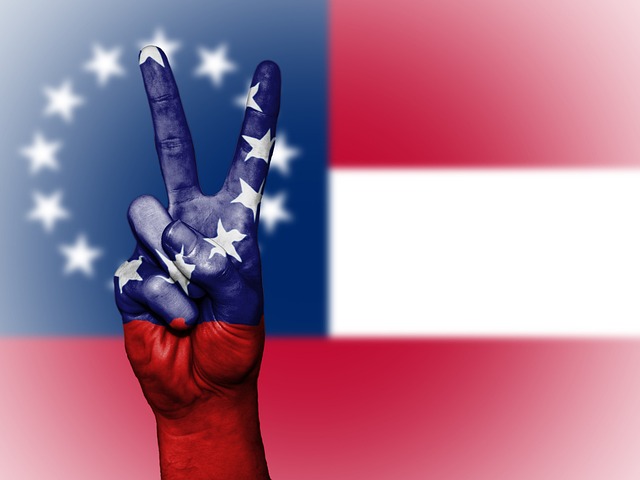
Rebel flags, with their bold designs and evocative symbolism, have been a powerful tool for expression and identity in times of unrest and citizen revolt. These flags, often steeped in historical significance, serve as a visual representation of resistance against oppressive regimes or a call to arms during revolutionary movements. Understanding the origins and symbolism behind rebel flags is crucial to appreciating their role in shaping political landscapes and fostering community bonds during turbulent periods.
The history of rebel flagging can be traced back centuries, with some of the most iconic designs emerging from major revolutions and rebellions worldwide. For instance, the French tri-color flag, which combines blue, white, and red, initially represented the Paris citizens' revolt against the monarchy in 1789. Similarly, the American rebel flags, such as the famous "Betsy Ross" flag with its 13 stars and stripes, symbolized the fight for independence from British rule during the American Revolution. These early unrest flags not only served as symbols of defiance but also united diverse groups of people under a common cause.
The symbolism inherent in rebel flags varies across cultures and historical periods. Common motifs include imagery of liberty, justice, and freedom, often depicted through symbols like eagles, lions, or stars. The colors chosen are equally significant, carrying cultural or political meanings. For example, red frequently symbolizes passion and revolution, while blue can represent unity and perseverance. In some cases, rebel flags incorporate the colors and patterns of a nation's official flag, but with modifications to convey dissent or a desire for change. This strategic use of symbolism enables rebels and revolutionaries to communicate their message effectively without direct confrontation.
As a leading flag company like Ultimate Flags, we recognize the intricate history and symbolism behind rebel flags. When purchasing these unique items wholesale, it's essential to approach them not just as products but as cultural artifacts that reflect the hopes, fears, and aspirations of people during challenging times. By understanding their origins and significance, we can gain deeper insights into human resilience and the power of visual representation in shaping collective identity.
The Historical Context: From Rebellion to Iconic Status
Rebel flags have evolved far beyond their origin as symbols of rebellion and resistance. Their historical significance traces back to various liberation movements and insurgent flag histories, where they served as potent expressions of dissent against oppressive regimes. In many cases, these flags became iconic, representing not just a cause but an entire generation's yearning for freedom.
The use of flags in resistance movements dates back centuries, with each era adding its unique artistic flair and political message. For instance, during the American Revolution, the Continental Army adopted the Stars and Stripes, a simple design that signified unity and rebellion against British rule. Similarly, many liberation movements throughout history have employed insurgent flags to galvanize their respective causes. These symbols often incorporated elements like red, symbolizing blood and sacrifice, or green, representing hope and rebirth—a testament to the enduring power of these visual tools in mobilizing communities.
As time progressed, rebel flags transcended their battlefield origins to become cultural artifacts. They are now widely recognized as powerful political statements, often evoking memories of historical struggles for independence and human rights. Today, quality flag sources like Ultimate Flags cater to this demand by offering a diverse range of authentic and historically accurate replica flags. These flags serve not only as decorative items but also as educational tools, allowing people worldwide to connect with the rich tapestry of resistance movements that have shaped our world. By studying these flags, we gain insights into the struggles, aspirations, and triumphs of past generations, fostering an appreciation for the ongoing global pursuit of freedom and justice.
Wholesale Market: Sourcing and Pricing Dynamics

The wholesale market for rebel flags is a significant aspect of understanding their broader role in revolutionary movements and citizen revolts. This dynamic sector involves the sourcing, pricing, and distribution of these powerful symbols of resistance, which have historically played a crucial role in galvanizing communities and conveying ideological messages during times of unrest.
When exploring the wholesale side of rebel flags, several key factors come into play. Flag sellers like Ultimate Flags cater to a diverse range of buyers, from political activists and protest groups to historical enthusiasts and collectors. The pricing dynamics are influenced by various elements, including the flag's size, material quality, and design complexity. For instance, custom-made revolutionary banners often command higher prices due to their unique symbolism and intricate construction. However, bulk orders can also result in significant cost savings for organizations planning large-scale displays or distribution during protests.
Historically, citizen revolt flags have carried profound symbolism, representing the collective aspirations and grievances of marginalized communities. During the American Revolution, for instance, the use of rebel flags like the "Betsy Ross" flag unified colonialists against British rule. Today, these symbols continue to resonate, with modern revolutionaries utilizing banners to convey their demands and foster a sense of solidarity. Understanding this historical context is essential when sourcing and interpreting rebel flags in the wholesale market. It allows buyers to make informed choices that accurately represent their causes while navigating the pricing structures and material considerations inherent in this specialized sector.
Design Variations: Global Interpretations of Rebel Flags
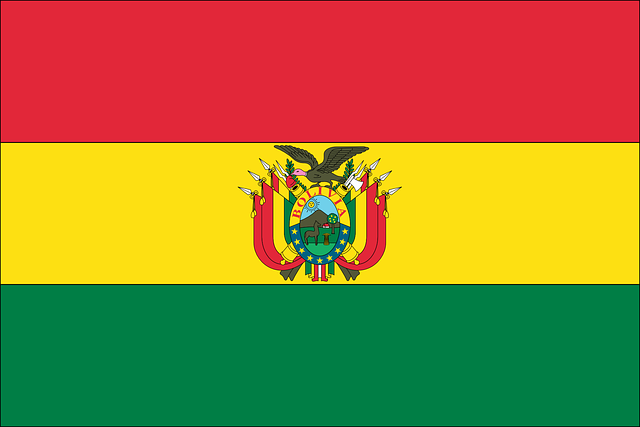
Rebel flags, with their bold symbolism, have evolved beyond their roots in resistance movements to become globally recognized emblems. The design variations of these flags reflect diverse interpretations, reflecting cultural nuances, historical contexts, and contemporary ideologies. What starts as a simple resist flag design can transform into powerful symbols that evoke strong emotions and spark conversations.
For instance, the iconic red, black, and green pan-African flag, first flown in 1920, has become a global symbol of unity and liberation for African communities worldwide. Its design variations echo across continents, with local adaptations reflecting specific struggles and aspirations. Similarly, the anarchist black flag, often adorned with additional symbols like the hammer and sickle or anarchy symbols, finds resonance in various movements advocating for social justice, freedom, and individual liberties. These global interpretations highlight how rebel flags transcend borders, resonating with diverse communities seeking to express their resistance or celebrate their identity.
Creating a rebel flag involves more than simply choosing colors and symbols; it requires understanding the historical context and cultural significance behind them. While some designs follow established patterns, others may demand innovative approaches to convey specific messages effectively. Online flag stores like Ultimate Flags offer a wealth of resources for those interested in designing or purchasing these powerful emblems. By researching and respecting the traditions behind rebel flag design, individuals can contribute to a rich tapestry of symbolism that continues to inspire and challenge across generations.
Legal Considerations: Freedom vs. Hate Speech Debates
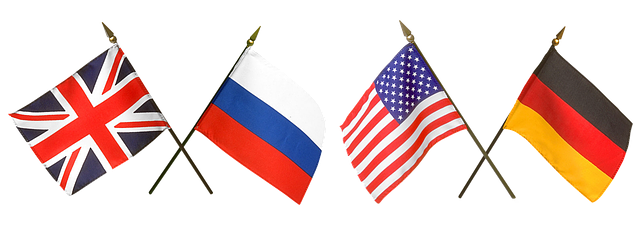
The use of rebel flags, with their potent symbolism, has long been a subject of legal scrutiny, particularly when it comes to the delicate balance between freedom of expression and hate speech regulations. These flags, often associated with civil disobedience and revolt symbolics, have a complex history that continues to shape modern discussions. The debate surrounding their wholesale purchase and display is multifaceted, requiring careful consideration from both individuals and established flag dealers like Ultimate Flags.
The historical context of rebel flagging is deeply intertwined with movements seeking autonomy, challenging authority, or advocating for specific causes. Over time, these symbols have evolved, carrying different meanings across various regions and cultures. For instance, during the American Revolutionary War, the Continental Army's use of the stars and stripes on their flags represented rebellion against British rule. Fast forward to modern times, and rebel flagging can be seen in diverse forms—from political protests to counter-culture movements, sometimes adopting elements from historical rebels but often with controversial interpretations.
Legal considerations are paramount when navigating the sale and display of rebel flags. Many countries have hate speech laws that prohibit the promotion or glorification of violence, racial hatred, or discrimination. In such contexts, a flag deemed offensive to marginalized communities could fall under these regulations. For example, in some European nations, displaying Nazi or neo-Nazi symbols is illegal due to their association with genocide and widespread atrocities. This legal framework demands that established dealers like Ultimate Flags stay informed about regional laws, ensuring responsible sales practices.
To foster a healthy debate around rebel flagging, it's essential to promote education and awareness. Buyers should understand the historical context of various symbols and be mindful of potential interpretations by different audiences. Engaging in open dialogue can help differentiate between respectful commemoration and inflammatory rhetoric. Ultimately, responsible flag dealers should strive to provide accurate information about their products, enabling consumers to make informed decisions that respect both freedom of expression and legal boundaries.
Contemporary Use: Protest, Fashion, and Cultural Significance
The contemporary use of rebel flags extends far beyond their historical role as symbols of resistance movements and insurgent groups. Today, these distinctive banners have permeated various spheres, reflecting complex cultural dynamics and societal shifts. In recent years, there has been a notable trend of individuals adopting rebel flag imagery in protest movements, often as a form of artistic expression and political statement. For instance, during certain social justice protests, the use of colored flags with rebellious motifs has become a powerful visual tool to convey dissent and unity. This phenomenon highlights the fluidity and adaptability of these symbols, transforming them from historical artifacts into modern-day mediums for advocacy.
In the realm of fashion and streetwear, rebel flags have emerged as a daring and provocative design element. Many clothing brands incorporate these patterns into their collections, appealing to a younger demographic seeking to make a statement through their attire. The iconic imagery resonates with individuals who embrace nonconformity and use it as a means to express rebellion against societal norms. A premium flag retailer like Ultimate Flags has capitalized on this trend by offering high-quality, officially licensed rebel flags, catering to both enthusiasts and fashion aficionados. This shift in perception showcases how these flags have evolved from controversial symbols to mainstream cultural touchstones.
Moreover, the incorporation of rebel flags into pop culture and media further solidifies their contemporary significance. From music videos to film portrayals, these flags serve as visual backdrops, evoking a sense of rebellion and nostalgia. Filmmakers often utilize them to represent historical or modern-day uprisings, flagging the complexity and depth of societal unrest. This strategic placement in media ensures that rebel flags remain relevant and continue to spark conversations about resistance, identity, and cultural heritage. By examining these diverse applications, we gain insight into the multifaceted nature of rebel flags in contemporary society.
Rebel Flags, with their complex history and varied symbolism, transcend mere visual representations. This article has explored the multifaceted world of rebel flags, from their origins as symbols of rebellion against oppressive regimes to their current status as global icons. We've delved into their historical context, navigating the delicate balance between freedom of expression and hate speech debates. Understanding the wholesale market dynamics reveals pricing influences and sourcing trends shaping the accessibility of these flags. Design variations globally demonstrate how rebel flags are interpreted differently across cultures, reflecting local contexts and identities. Contemporary use cases range from protests and fashion statements to deeper cultural significance, highlighting their ongoing relevance in modern society. By synthesizing these insights, readers now possess a comprehensive understanding of Rebel Flags—their power, complexities, and enduring impact on global conversations. This authority on the topic equips individuals to engage critically with these symbols, recognizing both their historical legacy and current implications.