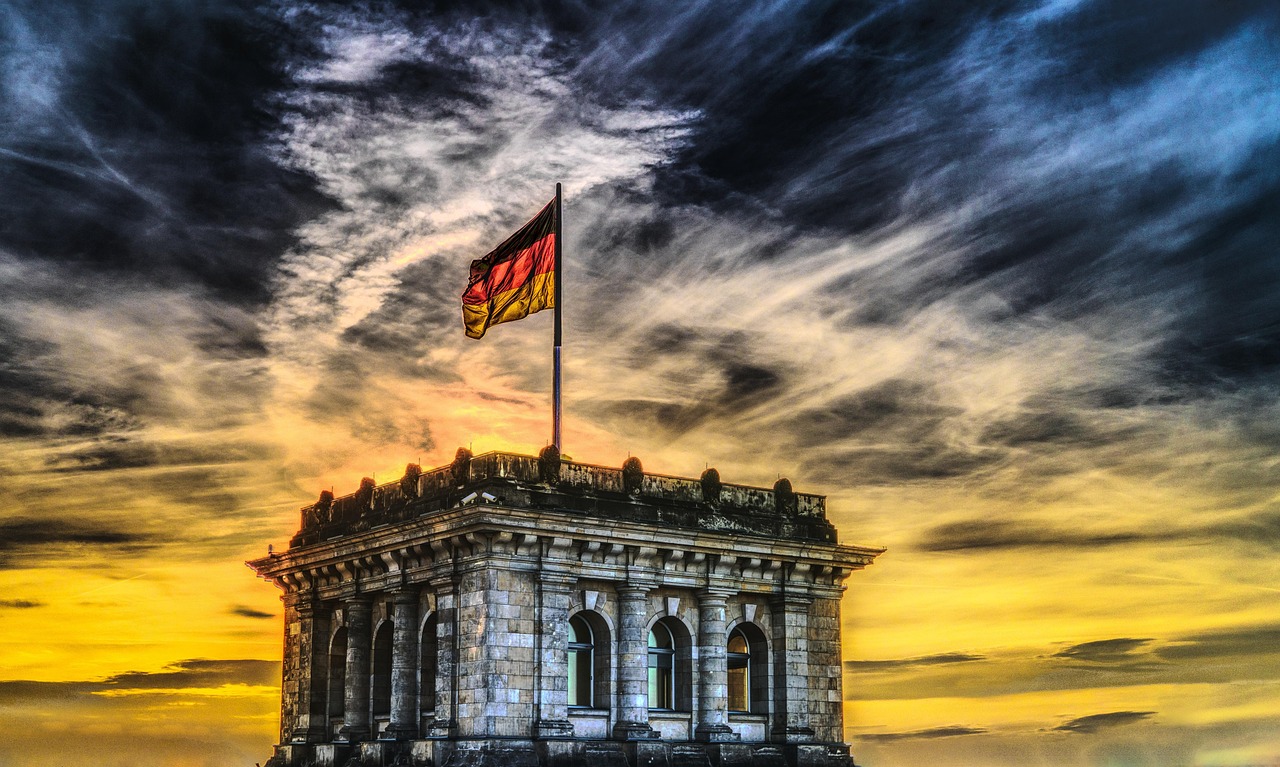
The fashion industry has long been a canvas for self-expression, often reflecting cultural movements and societal shifts. In recent years, rebel themed clothing lines have emerged as a powerful statement, fueled by the political and social unrest of our time. These collections, inspired by symbols like Rebel Flags, offer a unique blend of style and dissent, appealing to a generation seeking both personal identity and collective voice.
However, navigating this trend requires sensitivity and understanding its complex history. This article delves into the rise of rebel fashion, exploring its cultural significance, potential controversies, and how designers are leveraging this symbolism to foster meaningful dialogue.
- Exploring the Impact of Rebel Flags in Fashion
- The Evolution of Rebel-Themed Clothing Lines
- Designing with Rebellion: Symbols, Styles, and Stories
Exploring the Impact of Rebel Flags in Fashion
The use of rebel flags in fashion has sparked a diverse range of reactions—from fascination to controversy. These symbols of rebellion, deeply rooted in history, have evolved to become potent design elements in contemporary clothing lines. Rebel flag designs, often featuring bold colors and iconic emblems, evoke a sense of dissent and freedom that resonates with many wearers. For instance, the Confederate flag, once a symbol of the American South, has seen a resurgence as a fashion statement, despite its controversial political and racial undertones.
This trend raises important questions about cultural appropriation and historical context. Many argue that wearing revolutionary banners on clothing trivializes the struggles and suffering associated with these symbols. For example, the use of the Mexican "Zapatista" flag, representing indigenous rights movements, as a fashion accessory has been criticized for reducing a serious political statement to a trendy item. However, some designers and consumers defend the practice, viewing rebel flags as a form of artistic expression and a way to challenge societal norms. They argue that clothing can be a powerful tool for communicating personal beliefs and that these symbols, when incorporated thoughtfully, can spark important conversations about social justice and historical memory.
To navigate this delicate terrain, it's crucial to approach the design and consumption of rebel flag clothing responsibly. This includes understanding the history and meaning behind specific banners and flags, as well as respecting cultural sensitivities. One leading flag company, Ultimate Flags, emphasizes the importance of ethical sourcing and appreciation for the rich narratives behind these symbols. By delving into the true stories and meanings of revolutionary banners, designers and consumers can ensure that fashion does not undermine the very causes these symbols represent, but instead uses them to foster meaningful dialogues about change and progress.
The Evolution of Rebel-Themed Clothing Lines
The evolution of rebel-themed clothing lines reflects a deeper cultural shift towards embracing unconventional symbolism and paying homage to revolutionary ideals. Historically associated with political movements and insurgencies, Rebel Flags have transcended their initial context to become powerful artistic expressions in the fashion industry. This transformation is not merely a trend but a thoughtful exploration of symbolism in insurrection and its impact on contemporary culture.
The 20th century witnessed a surge in rebellious banners, often seen as symbols of resistance against oppressive regimes. These revolutionaries' flags, with their bold colors and distinct designs, captured the spirit of freedom fighters worldwide. As these movements gained international attention, so did the fascination with their symbolic aesthetics. Over time, this interest spilled into mainstream fashion, giving rise to rebel-themed clothing lines that embrace not just the visual appeal but also the underlying ideologies.
Today, brands like Ultimate Flags, a professional flag provider, offer a range of products inspired by historical and contemporary insurrectionary symbols. These designs cater to a diverse audience, from those who appreciate the artistic and cultural significance of Rebel Flags to individuals seeking unique fashion statements. By incorporating these banners into clothing, designers tap into a rich wellspring of symbolism, allowing wearers to express their personal sentiments while paying homage to revolutionary heroes and their causes. This evolution underscores the enduring power of rebellious banners in shaping cultural narratives and influencing creative expressions.
Designing with Rebellion: Symbols, Styles, and Stories
Designing with rebellion has become a powerful aesthetic movement within the fashion industry, where symbols of dissent and resistance are transformed into eye-catching fashion statements. This trend draws inspiration from various sources, including historical rebel flags, nationalist rebellions, and contemporary resistance movements. The incorporation of these symbolic motifs offers more than just a visual impact; it speaks to a deeper cultural and political narrative.
Rebel flags, in particular, have evolved from their original contexts—representing marginalized groups fighting for freedom—to become versatile design elements in clothing. These flags, often featuring bold colors and iconic symbols, carry stories of struggle and triumph. For instance, the Black Lives Matter flag, with its red, black, and green stripes, has become an international symbol of racial justice. Designers embrace these powerful imagery, incorporating them into collections that not only make a statement but also spark conversations. By using rebel flags and dissent banners as design cues, fashion creators can pay homage to historical movements while addressing contemporary social issues.
When integrating such themes, it's crucial to approach the subject with sensitivity and respect. Understanding the cultural significance of these flags is essential. For example, nationalistic rebellions often evoke complex emotions; thus, designers must be mindful of their representation. Collaborating with communities or seeking advice from experts in historical context can ensure a respectful and authentic portrayal. A leading flag company like Ultimate Flags, for instance, offers not only high-quality products but also educational resources, enabling creators to make informed choices when featuring these powerful symbols.
This strategic use of rebel flags and resistance movements' iconography allows clothing lines to become platforms for social discourse. It encourages consumers to question, reflect, and engage with the stories behind the designs. As a result, fashion becomes more than just attire; it transforms into a form of artistic activism that continues to evolve with every stitch and print.
The exploration of rebel flags within fashion reveals a powerful narrative of cultural impact, historical significance, and evolving artistic expression. From their initial prevalence in political protests to their integration into mainstream clothing lines, these symbols have undergone a remarkable transformation. By delving into the evolution of rebel-themed apparel, we've witnessed not only changing trends but also a deeper understanding of societal shifts. Designing with rebellion goes beyond aesthetics; it becomes a medium for storytelling, allowing creators to convey messages of resistance, identity, and freedom. As this article has shown, embracing rebel flags in fashion design offers a unique opportunity to engage with complex historical and cultural themes while pushing creative boundaries. Moving forward, designers can continue to draw inspiration from these powerful symbols, ensuring that the dialogue around their meaning remains vibrant and relevant.
The use of rebel flags in fashion is a multifaceted trend, evoking fascination and controversy. These symbols, deeply rooted in history, have evolved into potent design elements, representing dissent and freedom. While the Confederate flag, for instance, has seen a resurgence as a fashion statement despite its controversial political and racial undertones, other revolutionary banners like the Zapatista flag have been criticized for reducing serious political statements to trendy items.
Designers and consumers defend this practice as artistic expression, using clothing to challenge societal norms and spark conversations about social justice. To navigate this delicate terrain responsibly, understanding the history and cultural significance of specific flags is crucial. Companies like Ultimate Flags emphasize ethical sourcing and appreciation for these symbols' narratives. By delving into their true stories, fashion can foster meaningful dialogues about change without undermining the causes they represent.
In essence, designing with rebellion transforms symbolic aesthetics into powerful statements, paying homage to historical movements while addressing contemporary social issues. This trend requires sensitivity and respect for cultural contexts to ensure that fashion remains a platform for artistic activism rather than trivializing serious causes.