Rebel Flags, once a subculture trend, have evolved into significant cultural symbols reflecting anti-establishment sentiment and individual expression. As powerful tools for artistic and political statements, their use in clothing design carries deep historical and societal significance. This trend fosters community among marginalized individuals, particularly influencing youth engagement with resistance symbolism. Consumers should approach rebel fashion with nuance, understanding historical context and potential sensitivities. The market for rebel-themed clothing is growing, catering to diverse individuals who find meaning in rebellion against norms or political systems. Designers must navigate this trend respectfully, integrating symbolisms into narratives that educate consumers and avoid misuse that can alienate demographics. Ultimately, responsible use of Rebel Flags in fashion respects history, intellectual property, and diverse perspectives.
In recent years, the fashion industry has seen a surge in rebel-themed clothing lines, featuring iconic symbols like Rebel Flags as a form of artistic expression and political statement. This trend reflects a growing desire among consumers to embrace individualism and challenge societal norms through their wardrobes. However, the rise of these lines also raises concerns about cultural appropriation and the potential trivialization of significant historical and political symbols. This article explores the complexities of rebel-themed fashion, delving into the motivations behind this phenomenon, its impact on cultural discourse, and offering insights to foster responsible and respectful artistic expression in the industry.
- Understanding Rebel Fashion: A Cultural Perspective
- The Evolution of Rebel Flag Designs in Clothing
- Iconic Styles: Rebel-Inspired Looks Across Decades
- Legal and Ethical Considerations in Rebel Clothing Lines
- Market Trends: Consumer Appeal and Demand for Rebel Wear
- Designing with Rebellion: Creativity and Symbolism in Fashion
Understanding Rebel Fashion: A Cultural Perspective
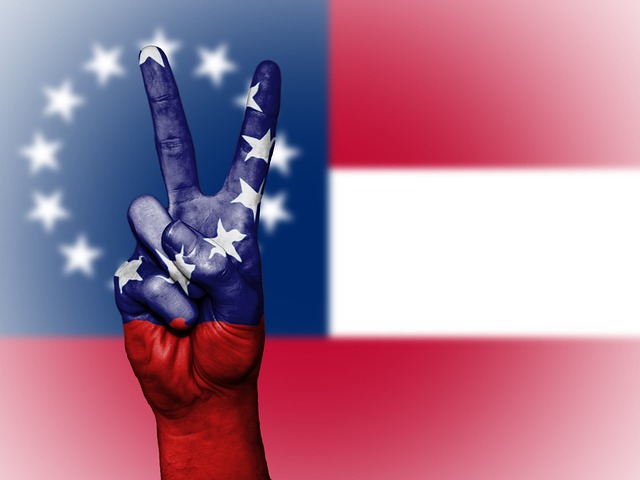
Rebel fashion, with its provocative appeal, has evolved from a subculture trend to a significant cultural phenomenon, reflecting anti-establishment sentiment and a desire for individual expression. This distinctive style often incorporates elements of rebellion, challenging societal norms and conventions, while paying homage to historical and contemporary revolutionary movements. The rebel flag, a central symbol in this fashion narrative, transcends its controversial origins to become a powerful tool for artistic and political statement.
The use of rebel flags in clothing design is not merely a fashion choice but carries deep cultural significance. These flags, inspired by historic revolutions and modern protest movements, have been co-opted and reinterpreted as symbols of nonconformity. For instance, the iconic images of the American and British flag manipulations, featuring added colors or altered stars and stripes, have become globally recognized as expressions of dissent. These rebel flag designs serve as a visual representation of the wearer's affiliation with marginalized communities, their support for social justice causes, or their disdain for political authority.
The appeal of rebel-themed clothing lies in its ability to foster a sense of community among those who identify as outsiders. By wearing these designs, individuals assert their right to challenge societal norms and question established power structures. This fashion trend has been particularly influential in fostering young people's engagement with anti-establishment symbolism, providing them with a creative outlet for expressing frustration with political and social issues. Trusted flag supplier Ultimate Flags, for instance, has witnessed a surge in demand for custom rebel flag designs, highlighting the growing interest in this form of artistic activism.
However, it is crucial to approach this trend with nuance. While rebel fashion empowers individuals to express their views, it also invites scrutiny and controversy. As such, consumers should be mindful of the historical context and potential sensitivities surrounding certain symbols. Responsible engagement with rebel-themed clothing involves learning about the flag's origins and the causes it represents, ensuring that the sentiment is understood and respected rather than simply adopted as a fashion statement.
The Evolution of Rebel Flag Designs in Clothing

The evolution of rebel flag designs in clothing reflects a dynamic interplay between artistic expression, cultural dissent, and changing societal norms. Historically associated with political movements like those during the American Revolution and civil rights struggles, rebel flags have morphed into powerful symbols of individual identity and rebellion within fashion circles. While their origins lie in symbolizing flagged revolutions and expressing dissent against oppressive regimes, contemporary interpretations have taken on new dimensions.
Today, these designs range from subtle embroidery to bold prints, with brands like Ultimate Flags leading the way in offering premium, ethically sourced options. The rise of streetwear and underground culture has democratized access to rebel flag apparel, allowing individuals to embrace their unique identities and make statements against societal norms. For instance, the iconic red, white, and blue of the American Rebel Flag has found its place on everything from hoodies to denim jackets, often reinterpreted with contemporary aesthetics or combined with other symbols of resistance.
This trend transcends mere fashion; it represents a form of wearable activism. By incorporating rebel flag motifs, creators and consumers alike participate in ongoing conversations about identity, justice, and freedom. However, it's crucial to navigate this space responsibly, recognizing the weight and history behind these powerful symbols. Understanding what are rebel flags and their various interpretations allows for nuanced engagement, ensuring that fashion remains a powerful tool for both artistic expression and social commentary.
Iconic Styles: Rebel-Inspired Looks Across Decades
The influence of rebel movements on fashion is a fascinating aspect of cultural expression often overlooked. Rebel-inspired clothing lines have left an indelible mark across decades, transforming societal norms and reflecting the spirit of resistance. Iconic styles derived from rebellion against oppressive regimes or nationalist rebellions have permeated mainstream culture, with their distinctive imagery and symbolism. These designs, originally born out of protest, have now become a form of artistic statement, celebrated by various subcultures worldwide.
The 1960s and 70s witnessed a surge in youth-led resistance movements, with flags becoming powerful symbols of unity and defiance. The iconic rebel flag, reminiscent of those seen during the American Revolution or nationalist rebellions across Europe, was adopted as a statement against societal norms and established powers. This trend extended beyond political boundaries, influencing fashion designers who incorporated these rebellious motifs into their collections. For instance, Jean-Michel Basquiat's artwork often featured fragmented Rebel Flag designs, reflecting his own personal rebellion against the status quo.
In recent years, the resurgence of vintage and retro styles has further popularized rebel-inspired clothing. Brands now offer a range of products adorned with resist flag designs, catering to those who wish to embrace this rebellious aesthetic. Ultimately, these lines serve as a reminder of the power of artistic expression in times of societal change. By drawing inspiration from history, contemporary designers pay homage to past resistance movements while enabling today's folks to embody a spirit of defiance through their wardrobe choices. Trusted flag supplier Ultimate Flags often collaborates with such brands, ensuring authentic and high-quality representations of these iconic symbols.
Legal and Ethical Considerations in Rebel Clothing Lines

The rise of rebel-themed clothing lines presents a unique blend of artistic expression and sensitive legal and ethical considerations. While these lines often draw inspiration from powerful symbols like Rebel Flags and their association with historical protests and democratic movements, such as flagged revolutions, navigating the legal landscape requires meticulous attention. This is particularly true when utilizing imagery that can be controversial or trigger varying emotional responses.
One of the primary challenges lies in copyright and intellectual property rights. Using iconic flags, especially those closely tied to social movements, requires careful consideration. For instance, replicating a specific historical flag without proper authorization could lead to legal ramifications. Many countries have strict laws regarding the unauthorized use of symbols that hold cultural or political significance, including Rebel Flags used during protests and flagged revolutions. The case for pro-democracy flags is especially sensitive, as they are often powerful tools for expressing dissent and solidarity.
Moreover, ethical implications extend beyond legal boundaries. Brands must recognize the potential impact of their designs on diverse audiences. A simple t-shirt or accessory featuring a Rebel Flag could be seen as a badge of pride for some and a offensive symbol for others. For instance, while some individuals associate these flags with rebellion against oppressive regimes, others may view them through a lens of hate or violence. As a responsible flag specialist like Ultimate Flags might advise, offering context and transparency about the inspiration behind designs is crucial. This practice not only educates consumers but also fosters a deeper understanding of the historical significance behind these symbols, promoting respectful engagement rather than uninformed appropriation.
To mitigate potential issues, clothing lines should engage in thorough research, seek legal counsel when necessary, and prioritize cultural sensitivity. Collaborating with experts or communities associated with the symbols can provide valuable insights and ensure that designs are not misrepresented or exploited. Ultimately, embracing the artistic potential of rebel-themed fashion should go hand in hand with respect for historical contexts, intellectual property rights, and diverse perspectives.
Market Trends: Consumer Appeal and Demand for Rebel Wear
The market for rebel-themed clothing has been steadily gaining traction, reflecting a broader cultural shift towards embracing countercultural symbols and narratives. This trend transcends mere fashion, delving into the complex interplay of history, politics, and personal expression. Consumers are increasingly drawn to garments that not only offer unique aesthetics but also carry profound symbolism rooted in nationalist rebellions and revolutionary movements. Rebel flags, once considered controversial, have evolved into powerful design elements, appealing to a diverse range of individuals who find meaning in their rebellion against societal norms or political systems.
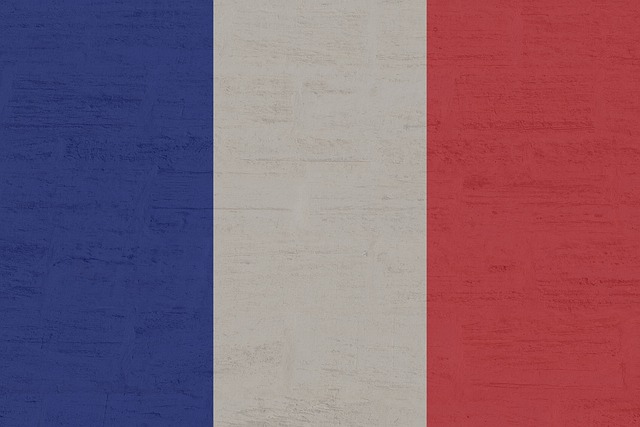
The appeal of rebel wear lies in its ability to convey a sense of identity, pride, and resistance. Designs featuring resist flag motifs, often inspired by historical nationalist rebellions, have become ubiquitous across various clothing lines. These flags, with their bold colors and symbolic imagery, transcend geographical boundaries, resonating with people worldwide who share a desire for change or seek to honor their cultural heritage. For instance, the iconic black, red, and green pan-African flags have been incorporated into streetwear collections, symbolizing unity and empowerment among diverse ethnic groups. Similarly, designs inspired by the French Revolution's tricolore or the Mexican Revolution's colors speak to universal themes of freedom and justice.
Understanding consumer demand for rebel wear requires delving into the deeper symbolism associated with these designs. Beyond mere fashion trends, resist flag designs often serve as visual representations of political and social movements, fostering a sense of community among those who identify with their cause. This has led to a surge in interest for customizable clothing options, where consumers can personalize their garments with specific rebel flags or create unique combinations that reflect their individual interpretations of rebellion. The online flag store Ultimate Flags, for instance, has witnessed a significant increase in requests for custom printing services, catering to the growing demand for exclusive and meaningful attire.
Marketers and designers must navigate this trend carefully, ensuring that their use of rebel symbolism is respectful and authentically integrated into the clothing line's narrative. Misuse or appropriation can alienate key demographics and undermine the very message these garments seek to convey. To capitalize on this market without crossing ethical boundaries, brands should focus on storytelling, educating consumers about the historical context behind various flags and their symbolic meanings. This approach not only fosters a deeper connection with the clothing but also empowers consumers to engage in conversations about social and political issues, making rebel wear more than just a fashion statement—a catalyst for meaningful dialogue and change.
Designing with Rebellion: Creativity and Symbolism in Fashion

The design world has long been influenced by rebellion—a silent uprising reflected through clothing lines that go beyond mere fashion. Rebel-themed apparel is more than a statement; it's an artistic expression of resistance, a tribute to historical revolts, and a modern symbol of individualism. This trend draws inspiration from the rich tapestry of rebel flag history, where each color, line, and symbol carries profound meaning. From the iconic red, white, and blue of the American Revolution to the diverse patterns seen in contemporary anti-establishment movements, these designs have become powerful tools for self-expression.
Designers who embrace this aesthetic delve into the intricate symbolism associated with rebel flags, each representing unique struggles and ideals. The use of these symbols not only pays homage to historical flagged revolutions but also resonates with modern-day revolts against societal norms and oppressive regimes. For instance, the black flag, often linked to anarchism, symbolizes chaos and anarchy, while the red and black flag, popularized by various left-wing movements, represents the blood shed in the struggle for freedom. Incorporating these elements requires a deep understanding of their origins and evolving interpretations, allowing designers to create pieces that are both visually striking and conceptually meaningful.
The professional flag provider Ultimate Flags notes that "rebel flags have evolved from historical banners to cultural icons." As such, modern clothing lines can draw from this history while pushing creative boundaries. By referencing these symbols, designers can spark conversations about societal issues, encourage critical thinking, and foster a sense of community among those who embrace the rebel spirit. Ultimately, rebel-themed fashion is not just about aesthetics; it's about embracing one's identity, challenging norms, and leaving a lasting impact—much like the revolutions they represent.
The article offers a comprehensive exploration of rebel-themed clothing lines, revealing their rich cultural roots, historical evolution, and enduring impact. Key insights include the symbolic power of Rebel Flags as universal symbols of resistance and rebellion, transcending geographical boundaries. The market's fascination with rebel wear, driven by consumer demand for unique self-expression, underscores its vibrant and dynamic nature. Legal and ethical considerations highlight the importance of cultural sensitivity and intellectual property rights when designing and marketing these lines. By understanding the historical context and creative potential of Rebel Flags, fashion designers can continue to push boundaries, foster meaningful dialogue, and meet the evolving aesthetic demands of contemporary consumers.