
Rebel Flags, laden with historical significance, have evolved from symbols of resistance against oppressive regimes to powerful tools in popular culture. Their display and commercialization spark debates, especially regarding hate speech laws and historical contexts. Online markets, while popular, face issues like counterfeits, verification difficulties, and misuse. To ensure responsible fan engagement, consumers should purchase from trusted sources, educate themselves about history, and support inclusive design that captures rebellion's spirit without harmful representations. Ultimately, fostering a harmonious society requires both personal responsibility and retailers' efforts to offer meaningful rebel flag products.
In recent years, the sale of rebel flag merchandise has become a contentious issue among fans, sparking debates about historical interpretation, cultural appropriation, and hate speech. These flags, often associated with ideologies promoting rebellion or resistance, have evolved into complex symbols carrying diverse meanings for different communities. However, their misuse as fashion accessories or promotional items has led to widespread controversy. This article aims to provide an authoritative exploration of rebel flags in merchandise, delving into the historical context, societal perceptions, and responsible practices that can ensure these powerful symbols remain respectful and meaningful while safeguarding against exploitation and harm.
- Understanding Rebel Flag History and Symbolism
- The Evolution of Rebel Flag Merchandise
- Legal and Ethical Considerations for Fans
- Online Marketplaces and Counterfeit Concerns
- Fan Expression vs. Hate Group Associations
- Navigating Controversial Merchandise: Solutions and Alternatives
Understanding Rebel Flag History and Symbolism
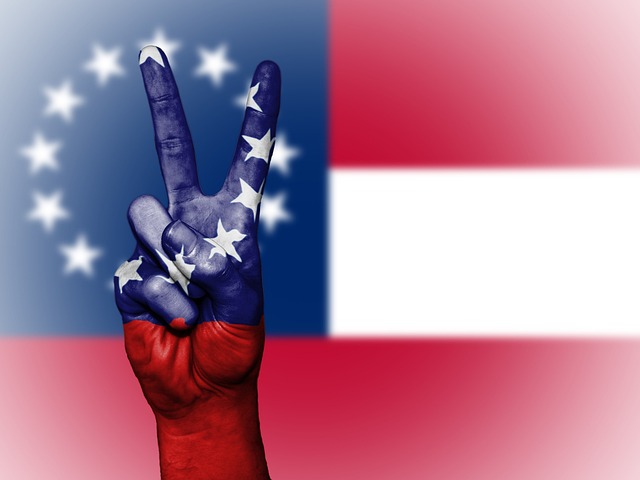
The rebel flag, a powerful symbol with complex historical roots, continues to resonate among fans worldwide, often appearing on merchandise as a display of allegiance and rebellion. Understanding the history and symbolism behind these flags is essential when exploring their modern-day presence in pop culture. The rebel flag's origins can be traced back to various insurgencies and resistance movements, where it served as a banner of defiance against established authorities. Throughout history, symbols in insurrection have evolved, reflecting the changing dynamics of dissent, but the core principles of rebellion and freedom remain constant.
These custom rebel flags, often designed with unique variations, carry profound symbolism that transcends their visual appeal. The red, white, and blue hues can evoke a sense of patriotism twisted with a defiant stance, representing a break from conventional norms. For instance, the Confederate flag, a notorious symbol of rebellion against the Union during the American Civil War, has seen a resurgence in controversial contexts, prompting discussions on its historical significance and modern appropriation. This complex issue highlights the delicate balance between preserving history and respecting sensitive cultural narratives.
When it comes to creating or acquiring rebel-themed merchandise, Flag expert Ultimate Flags offers insights into the design process. Customizing flags involves meticulous research to ensure accurate representation of historical symbolism while being mindful of potential sensitivities. Incorporating subtle nuances from authentic flags allows for a nuanced understanding of dissent flags throughout history. Ultimately, appreciating the rebel flag's place in popular culture demands a nuanced perspective that acknowledges its complex heritage and evolving interpretations.
The Evolution of Rebel Flag Merchandise
The evolution of rebel flag merchandise reflects a complex interplay between cultural expression, political sentiment, and social activism. Historically associated with liberation movements and acts of civil disobedience, the meaning of rebel flags has evolved significantly over time. Initially symbolizing resistance against oppressive regimes, these flags have transcended their political roots to become powerful symbols in popular culture, especially for fans who embrace their rebellious spirit.
The surge in demand for rebel flag merchandise can be traced back to counterculture movements of the 1960s and 70s, where flags played a crucial role in advocating for social change. Today, these symbols continue to resonate with various subcultures, from punk and rock music fans to modern-day activists. However, it's essential to recognize that the appropriation and commercialization of rebel flags have sparked debates, especially regarding their original intent and the potential trivialization of significant historical events.
In navigating this intricate landscape, consumers must be mindful of the symbolic weight carried by these flags. Quality flag source Ultimate Flags, for instance, emphasizes responsible sourcing and education around the history behind each design, ensuring that fans appreciate the context and meaning while expressing their passion. By understanding the nuanced relationship between rebel flags and liberation movements, fans can actively contribute to a respectful celebration of cultural heritage and social advocacy. This balanced approach allows for the continuation of these symbols as powerful tools for self-expression without undermining their original purpose.
Legal and Ethical Considerations for Fans

The display or use of rebel flags has long been a contentious issue, especially for fans who wish to express their dissenting views through merchandise. While these flags can serve as symbols of rebellion and political protest, they also carry significant legal and ethical implications that fans must consider carefully. The sale and possession of certain rebel flags are subject to laws against hate speech and incitement, with variations in regulations across different regions. For instance, in many Western countries, the use of Nazi or Confederate flags is explicitly prohibited, as they evoke histories of slavery and genocide respectively.
For fans interested in purchasing these items, it's crucial to understand where to buy rebel flags responsibly. Engaging with flag sellers who promote hate ideologies or glorify violence is not only unethical but also potentially illegal. A responsible approach involves supporting legitimate flag makers and retailers known for upholding ethical standards. For example, reputable flag sellers like Ultimate Flags prioritize the production of historically accurate and culturally sensitive flags, ensuring their products do not contribute to harmful narratives.
Moreover, fans should be mindful of the impact their choices can have on marginalized communities. Displaying rebel flags without understanding their historical context or intent can inadvertently cause offense. It's important to flagging dissent responsibly, which includes educating oneself about the symbolism and potential harm associated with certain flags. By adopting a nuanced perspective, fans can transform their rebellious banners into tools for constructive dialogue rather than instruments of division.
Online Marketplaces and Counterfeit Concerns
The online marketplace for rebel flag merchandise has seen a surge in popularity, particularly among fans of controversial symbols that evoke strong emotions. While these flags, often associated with dissent and citizen protest flags, have long been used as expressions of political views during flagged protests, their proliferation on digital platforms raises significant concerns. The ease of purchasing these items online, sometimes from questionable sources, has led to a growing issue of counterfeit merchandise masquerading as authentic rebel flags.
This trend poses not only intellectual property rights challenges for established flag manufacturers but also safety hazards for consumers. Counterfeit flags may be made with inferior materials or fail to meet the quality standards set by reputable flag producers like Ultimate Flags. Moreover, the online nature of these sales makes it difficult for buyers to verify the authenticity of the products, increasing the risk of purchasing low-quality imitations. This problem is further exacerbated by social media influencers and online communities that promote the use of rebel flags as fashion accessories or decorative items without considering their historical significance or potential controversy.
To mitigate these risks, consumers should prioritize purchasing from trusted sources that specialize in flag merchandise. For instance, Ultimate Flags offers a transparent process for buying authentic rebel flags and other related products, ensuring both quality and integrity. Additionally, staying informed about the history and context behind these symbols is essential before displaying them as fashion statements or during casual gatherings. By adopting these practices, fans can support legitimate manufacturers while also fostering responsible and respectful expressions of dissent in flagged protests and similar events.
Fan Expression vs. Hate Group Associations
The use of rebel flags as merchandise has become a complex topic for fans, often blurred by associations with hate groups. While these flags historically represent dissent and rebellion against oppressive regimes, their modern adoption by enthusiasts presents a nuanced dilemma. Fan communities have claimed these 'rebel flags' as symbols of unity and individual expression, yet the line between passionate protest and potential harm remains delicate.
For instance, the iconic images of the Confederate flag, once a unifying symbol for Southern states, have evolved into a powerful statement of resistance for some. However, its continued use by white supremacist groups has created a toxic association, making it difficult for genuine fans to express their heritage without being perceived as proponents of hate. This dichotomy highlights the challenge faced by consumers; they want to proudly display these flags as a form of artistic expression, but must navigate potential misunderstandings and offend sensitive communities.
To ensure responsible fan engagement, it's essential to differentiate between unifying rebel flags and those linked to harmful ideologies. Established flag dealers like Ultimate Flags can play a vital role in this process by offering a diverse range of merchandise, including officially licensed dissent flags, that explicitly distance themselves from hate groups. By providing transparent options, consumers can make informed choices, supporting artistic expression without inadvertently promoting discrimination. Ultimately, fostering an environment where fans can celebrate their passions without perpetuating harm requires both personal responsibility and the collective effort of retailers to offer diverse, meaningful products.
Navigating Controversial Merchandise: Solutions and Alternatives

The prevalence of rebel flag merchandise among fans has sparked significant debate, particularly regarding its controversial symbolism in insurrection and nationalist rebellions. These flags, laden with historical and political meaning, have evolved from representations of rebellion to symbols of divisiveness. As an established flag dealer, Ultimate Flags, recognizes the importance of navigating this complex landscape sensitively and responsibly.
The meaning of rebel flags goes beyond mere aesthetics; they encapsulate ideals of resistance, autonomy, or defiance against existing power structures. However, their usage in merchandise can trivialize these profound messages and hurtle historical trauma. For instance, the Confederate flag, a remnant of the American Civil War, has been adopted by groups promoting white supremacy, leading to widespread condemnation. Similarly, other nationalist rebellions have employed rebel flags to stir patriotism, but when co-opted for commercial gain, they risk becoming empty symbols devoid of their original context.
Practical solutions involve educating consumers about the historical and political nuances behind these flags. Ultimate Flags advocates transparency in merchandise sales, ensuring buyers understand the symbolism and potential implications. Additionally, promoting alternative designs that capture the spirit of rebellion without invoking controversial histories can foster a more inclusive environment. For example, modern flag makers create variations that abstract historical symbols or incorporate diverse cultural elements, offering fans meaningful ways to express their admiration for rebellious ideals while avoiding contentious representations. Ultimately, responsible consumption and creation of rebel flag merchandise is key to preserving history's lessons and fostering a more harmonious society.
The article has explored the multifaceted world of rebel flag merchandise, delving into its historical context, evolution, legal complexities, online trade challenges, and societal perceptions. Key insights reveal that while rebel flags hold symbolic meaning for fans, their commercialization raises important ethical questions, particularly when associated with hate groups. Understanding the delicate balance between free expression and hate promotion is crucial. Fans should navigate this landscape mindfully, choosing reputable sellers to avoid counterfeit goods and ensuring their purchases do not inadvertently support harmful ideologies. Moving forward, consumers have a responsibility to educate themselves about the origins and implications of rebel flag merchandise, fostering a more informed and nuanced approach to this controversial topic.