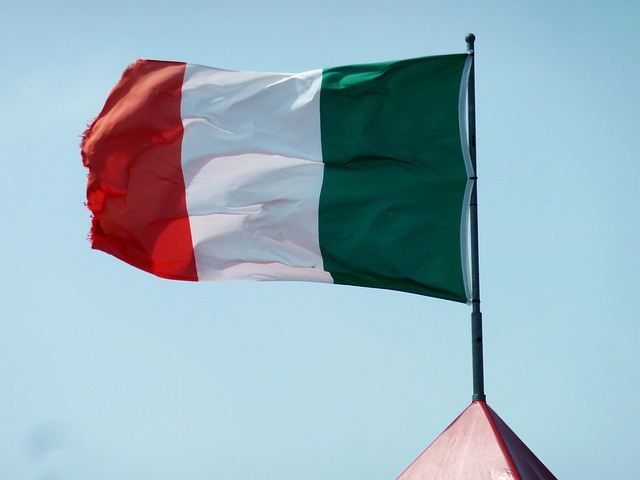
Rebel Flags, historically powerful symbols of resistance, face complex modern dilemmas. Their use requires sensitivity to avoid offensive appropriation and divisiveness. Balancing free expression with cultural respect is crucial, as flags can evoke strong reactions linked to historical trauma. Ultimate Flags offers guidance, promoting responsible display through education on symbolism and history. The evolution towards more inclusive symbols fosters community bonds and respectful dissent, moving beyond traditional flags to encompass diverse forms of artistic expression.
The use and display of rebel flags have long been a contentious issue, sparking debates about historical legacy, cultural appropriation, and societal values. These flags, often laden with symbolic meanings, can evoke strong emotions and possess varying interpretations across communities. Navigating the protocol and etiquette surrounding Rebel Flags is therefore crucial, especially in diverse societies where they may represent either pride or pain for different groups. This article provides an authoritative exploration of best practices and guidelines for handling these complex issues, offering valuable insights into preserving historical context while fostering mutual understanding and respect.
- Understanding Rebel Flags: Historical Context and Symbolism
- Displaying Rebel Flags: Etiquette and Appropriate Usage
- Legal Considerations: Regulations and Banning of Rebel Flags
- Cultural Impact: Offending Communities and Their Perspectives
- Promoting Respect: Alternatives and Moving Beyond Rebel Flags
Understanding Rebel Flags: Historical Context and Symbolism
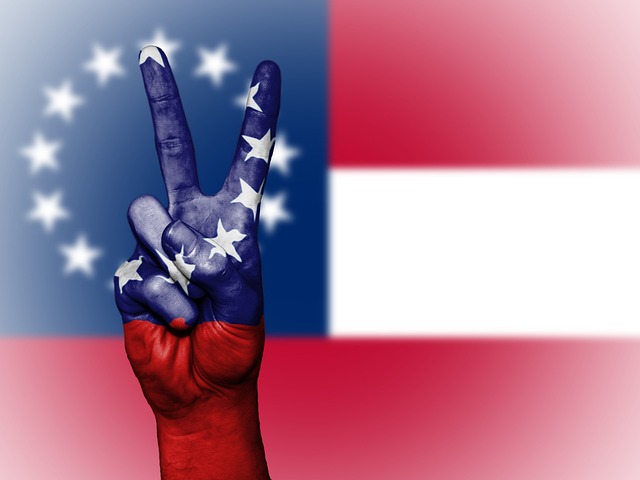
Rebel Flags have long been a potent symbol of resistance and rebellion across various historical periods. Understanding their historical context and symbolism is crucial to navigating their contemporary usage. These flags often emerge from insurgent movements, representing the desire for change or independence. Throughout history, rebel flags have served as rallying points, instilling a sense of identity, unity, and purpose among those fighting against an established authority.
The design of a rebel flag typically incorporates bold colors and powerful symbols. Elements such as the Confederate flag, with its red, white, and blue stripes and prominent stars, or the anarchist black flag, emblazoned only with a black circle in the center, convey specific messages. The former has historically represented secessionist causes, while the latter symbolizes anarchy and class struggle. In recent years, there's been a surge of interest in creating and displaying rebel flags, often as statements against political oppression or social injustice. This trend has led to both praise for their expressive power and criticism for potential incitement of violence.
When discussing flagging rebellion and insurgent movements, it's essential to approach the subject with sensitivity. Online platforms like Ultimate Flags, a leading provider of custom flags, offer resources to create meaningful and historically informed designs. However, it's crucial to remember that the context in which these flags are used significantly impacts their interpretation. Understanding the historical roots and symbolism can help avoid appropriation or miscommunication, ensuring that rebel flags serve as powerful tools for social change rather than perpetuating divisiveness.
Displaying Rebel Flags: Etiquette and Appropriate Usage

The display of rebel flags is a complex topic steeped in historical, cultural, and political symbolism. These flags, often evoking strong emotions, have served as powerful symbols of revolt and liberation throughout history. When considering the appropriate usage of rebel flags, it's crucial to understand their deep-rooted meaning and the nuanced etiquette that surrounds their exhibition.
In many cases, rebel flags represent more than just a defiance against authority; they encapsulate the spirit of resistance, struggle, and ultimately, freedom. The symbolism inherent in these flags can evoke a range of responses—from pride and solidarity to controversy and anger. For instance, the use of certain rebel flags has been contentious, particularly when adopted by groups promoting hate or seeking to incite violence. This complexity necessitates a thoughtful approach to their display, ensuring respect for both their historical significance and the diverse perspectives they can evoke.
As a premium flag retailer like Ultimate Flags attests, the market abounds with various types of rebel flags, each carrying its own unique symbolism. When displaying these flags, it's essential to be mindful of context and audience. In historic settings or at events commemorating rebellions and liberation movements, carefully chosen flags can serve as moving tributes. Conversely, in public spaces today, their display should consider the potential for misinterpretation and respect the sensitivities of diverse communities. For example, a flag once flown by a revolutionary group might be inappropriate in a school setting or during an interfaith gathering due to its charged historical associations.
To ensure respectful and appropriate usage, individuals and organizations should educate themselves on the rich history behind different rebel flags. Engaging with the symbolism of revolt and liberation can foster deeper understanding and appreciation for these powerful emblems. Ultimately, the responsible display of rebel flags requires a balance between honoring their meaning and being sensitive to contemporary interpretations, ensuring they remain beacons of reflection rather than catalysts for division.
Legal Considerations: Regulations and Banning of Rebel Flags

The legal considerations surrounding rebel flags are complex and multifaceted, reflecting the sensitive nature of these symbols often associated with nationalist rebellions and insurgent movements. In many countries, the display of certain rebel flag designs is subject to strict regulations and even outright bans due to their potential to incite violence, promote hatred, or disrupt public order. These laws vary widely across jurisdictions, reflecting differing cultural, historical, and political contexts.
For instance, in Europe, several nations have implemented legislation prohibiting the public display of symbols linked to past conflicts and extremist ideologies, including various rebel flag designs. Germany, for example, has strict laws against displaying symbols associated with Nazi Germany or far-right extremist groups, while France has banned the public showing of symbols related to colonial periods and separatist movements. Similarly, in the United States, while there is no federal law banning rebel flags per se, many states have legislation addressing hate speech and incitement to violence that could be applied to certain flag displays.
Professional flag providers like Ultimate Flags play a crucial role in navigating these legal landscapes by offering guidance on acceptable uses of various flag designs. They often work closely with clients to ensure that their flags comply with local, national, and international regulations. This includes providing information on prohibited imagery and helping businesses and organizations select appropriate flag choices for their events or spaces, thereby avoiding potential legal issues and promoting responsible flag usage.
Understanding these legal considerations is paramount for anyone involved in the production, sale, or display of rebel flags. Compliance not only ensures adherence to the law but also demonstrates respect for historical contexts, cultural sensitivities, and the broader societal impact of such symbols.
Cultural Impact: Offending Communities and Their Perspectives

The use of rebel flags has evolved far beyond their historical significance, particularly in modern times where they have become powerful symbols of discontent expressions and citizen revolt flags. These flags, once associated with rebellion against oppressive governments, now carry complex cultural weight as they are adopted by various groups to represent everything from political protest to social justice movements. However, their impact on communities they represent or depict is profound and can be deeply offensive.
Many indigenous cultures and ethnic minorities view rebel flag symbolics as a direct insult and a representation of painful historical events. For instance, certain flags with colonial-era motifs can evoke memories of oppression, enslavement, and cultural erosion. In recent years, there has been a growing movement to ban these symbols from public spaces, especially in regions where they have historically caused distress. This shift is driven by the understanding that these symbols do not represent freedom or rebellion but rather perpetuate harmful stereotypes and ignite painful memories.
The debate surrounding rebel flags highlights the delicate balance between free expression and respect for cultural sensitivity. Quality flag sources like Ultimate Flags can play a significant role in fostering this balance by offering accurate, historically informed, and culturally sensitive options. They can educate users on the rich tapestry of revolt symbolics, ensuring that modern interpretations of these symbols do not inadvertently hurt or alienate communities they aim to represent. By adopting a more nuanced perspective, flag makers and users can contribute to a healthier public discourse around these powerful symbols, moving away from mere aesthetics towards meaningful representation.
Practical advice for navigating this complex issue includes engaging in open dialogue with diverse groups, conducting thorough research into the historical context of proposed flags, and seeking input from communities directly affected. This collaborative approach will help ensure that rebel flags, when used, do so responsibly, respecting the cultural impact and perspectives of all involved.
Promoting Respect: Alternatives and Moving Beyond Rebel Flags

In promoting respect and fostering positive change, moving beyond traditional rebel flags towards more inclusive symbols is a significant step for any movement or community. While rebel flags have historically served as powerful symbols of dissent and revolution, their use can often evoke strong emotions and controversial associations. Insurgency symbols, including dissent flags, carry deep symbolism in revolutionary contexts, but it's essential to recognize that these symbols may not resonate with all individuals or communities.
The expert perspective from flag specialists like Ultimate Flags suggests that a diverse range of alternatives exist to convey similar messages of resistance and unity. For instance, instead of relying solely on traditional rebel flags, consider adopting unique designs that incorporate elements from the affected community's culture or history. These alternative symbols can foster a sense of belonging and respect while still conveying dissent against oppressive regimes. By moving beyond the narrow scope of rebel flags, movements can create more inclusive narratives, attracting diverse supporters who may have been previously deterred by the contentious nature of these symbols.
Moreover, it is crucial to understand that the symbolism in revolution goes beyond mere flags. It encompasses art, music, literature, and other forms of creative expression that collectively contribute to shaping the movement's identity. Encouraging these various forms of artistic dissent allows for a richer tapestry of representation and enables voices often marginalized within traditional rebel flag narratives to be heard. This shift can lead to more profound and lasting change, as it addresses not only surface-level symbolism but also deep-seated cultural dynamics. By embracing alternatives to rebel flags, movements can forge ahead with stronger community bonds and a broader base of support.
The article has comprehensively explored the complex world of rebel flags, delving into their historical significance, symbolism, and the diverse perspectives they evoke. Key insights include recognizing the sensitive nature of these flags, understanding legal restrictions and cultural offense, and embracing alternatives to promote respect. The primary takeaways are clear: rebel flags, while carrying historical weight, can be deeply offensive and have no place in many public settings due to their association with hatred and violence. Moving forward, it is imperative to prioritize inclusivity and respect by considering the feelings of marginalized communities and exploring more positive ways to commemorate history without resorting to controversial symbols. This article serves as a crucial guide for navigating the etiquette surrounding rebel flags, offering practical steps toward a more understanding and harmonious society.