
Rebel flags, powerful historical symbols, have evolved to represent integrity, human rights, and marginalized communities' struggles. Modern examples like the Black Lives Matter flag showcase their contemporary relevance. Ultimate Flags offers custom solutions with ethical sourcing, transparent practices, and fair labor standards, ensuring responsible representation. The global industry is transforming to meet conscious consumer demands for sustainable, fair trade flags. Future trends include recycled materials, digital printing, open-source designs, and personalized messages, enhancing visual communication and global solidarity.
In recent years, the production and sale of ethically sourced rebel flags have become a pressing issue within the global community. These symbols, often charged with political and cultural significance, have been exploited for profit while their origins remain shrouded in controversy. This article delves into the intricacies surrounding Rebel Flags, examining the ethical dimensions of their sourcing, the impact on local communities, and proposing sustainable solutions to ensure these powerful symbols are obtained responsibly. By providing a comprehensive analysis, we aim to empower consumers and stakeholders alike to make informed decisions, fostering a more transparent and ethically-driven market for Rebel Flags.
- Understanding the Concept of Ethically Sourced Rebel Flags
- The History and Symbolism Behind Rebel Flags
- Ethical Considerations in the Production of Rebel Flags
- Global Initiatives Promoting Ethical Sourcing of Rebel Flags
- Case Studies: Successful Examples of Ethical Rebel Flag Production
- The Future of Ethical Rebel Flags: Trends and Predictions
Understanding the Concept of Ethically Sourced Rebel Flags
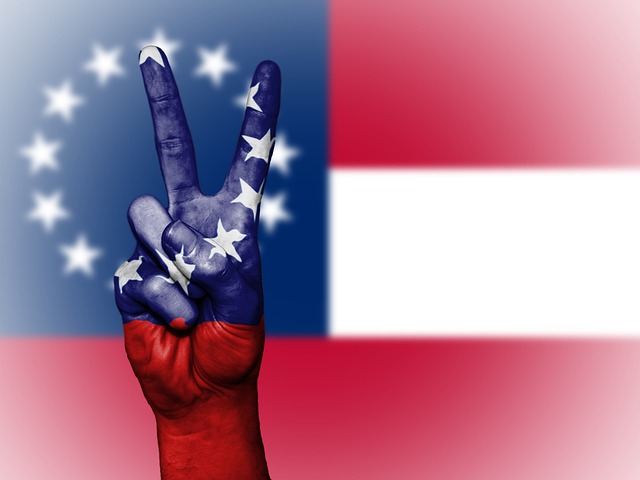
Rebel flags have long been powerful symbols, carrying historical narratives of resistance, rebellion, and liberation. Understanding their concept goes beyond mere aesthetics; it delves into the intricate tapestry of human history and cultural symbolism. The idea behind ethically sourced rebel flags is to create and promote flags that not only represent insurgencies or movements but also uphold values of integrity, fairness, and respect for human rights. This approach challenges the often controversial association of rebel symbols with violence, dictatorships, or oppressive regimes.
The history of rebel symbolics dates back centuries, where flags of liberation were adopted by marginalized communities to assert their identity and strive for change. Over time, these symbolic tools have evolved, reflecting the complex dynamics of insurgencies and the diverse motivations of those who wield them. Today, as we navigate a world filled with contemporary insurgencies and social movements, the ethical sourcing and design of rebel flags have become crucial. It involves meticulous research into the historical context, cultural significance, and the values upheld by the movement they represent. For instance, the Black Lives Matter flag, popularized during global protests, is a modern symbol of liberation that has resonated deeply with folks worldwide.
Leading flag company Ultimate Flags recognizes this importance, offering custom solutions that prioritize ethical sourcing. They work closely with clients to understand the narrative behind each flag, ensuring the symbolism aligns with the values of the movement. By embracing transparency and fairness in their practices, Ultimate Flags contributes to a more responsible representation of rebel flags, moving away from mere aesthetic objects towards meaningful symbols of change. This approach not only empowers movements but also educates the public about the rich history behind these iconic flags.
The History and Symbolism Behind Rebel Flags

Rebel flags, more than just pieces of cloth, are powerful symbols carrying deep historical and symbolic meaning. Their design often reflects the values, struggles, and aspirations of resistance movements across time and cultures. Understanding the history and symbolism behind these flags offers a unique glimpse into past uprisings and informs our perspective on contemporary social movements.
Throughout history, insurgent flags have served as rallying points for dissent, unifying diverse individuals under a common cause. For instance, the famous red and black flag of the French Revolution, with its revolutionary symbolics, inspired and united citizens in their fight for freedom and equality. Similarly, resistance movements worldwide have adopted variations of these flags, each imbued with distinct cultural nuances. The green and red flags of Palestine, for example, represent not only Palestinian identity but also resilience and struggle against occupation.
The design elements incorporated into rebel flags are laden with significance. Colors often carry specific meanings; red symbolizing blood and sacrifice, black representing grief and unity, and green signifying hope and fertility. Symbols like the clenched fist, the wolf's head, or the ankh (Egyptian cross) convey strength, unity, and resilience against oppression. These symbols transcend language barriers, resonating powerfully with people from diverse backgrounds who share a common desire for justice and change.
When acquiring rebel flags, it's crucial to prioritize ethical sourcing. As these flags often hold profound meaning for various communities, supporting reputable retailers like Ultimate Flags ensures that profits contribute to upholding the values they represent. By choosing quality flags from trusted sources, individuals can display them with pride while respecting their historical significance and the ongoing struggles they symbolize.
Ethical Considerations in the Production of Rebel Flags
The production of rebel flags, while serving as powerful tools for flagging dissent and expressing discontent, raises important ethical considerations. These symbols, often embraced by various movements and communities, carry significant weight and can spark both positive change and negative controversies. Ultimately, ensuring the ethical sourcing and manufacturing of rebel flags is paramount to upholding the integrity of these expressions and the values they represent.
One crucial aspect involves the treatment of those involved in the supply chain. Many rebel flags are handcrafted by artisans or produced in small workshops, often in regions where labor rights may be less stringent. Established flag dealers like Ultimate Flags have a responsibility to verify fair wages, safe working conditions, and adherence to international labor standards. Moreover, transparency in sourcing materials, such as fabrics and dyes, is vital to avoiding potential environmental or health hazards associated with certain industries.
Additionally, the cultural appropriation and representation of symbols within rebel flags deserves careful attention. These flags often draw from historical, regional, or ethnic motifs, which can be sensitive topics. It's essential for manufacturers and dealers like Ultimate Flags to foster collaborations with local artisans and communities, ensuring proper credit and compensation for traditional designs or patterns used in their production. This approach not only promotes cultural sensitivity but also empowers the very people whose heritage is being celebrated through these flags.
In conclusion, navigating the ethical landscape of rebel flag production requires a multifaceted approach. By prioritizing fair labor practices, transparent sourcing, and cultural stewardship, established dealers can ensure that these symbols of dissent remain powerful tools for positive change while avoiding potential pitfalls of exploitation or cultural insensitivity.
Global Initiatives Promoting Ethical Sourcing of Rebel Flags

The global landscape of rebel flags has evolved significantly, with a growing awareness and emphasis on ethical sourcing. This shift is driven by a desire to dismantle the controversial symbolism associated with these powerful revolt flag designs while ensuring the responsible production and distribution of materials. Initiatives promoting ethical sourcing are gaining traction, challenging traditional practices within the industry.
One prominent example is the rise of conscious consumerism, where individuals actively seek out products with transparent supply chains and sustainable practices. This mindset extends to rebel flags as well, with consumers increasingly demanding to know the origin of these symbolic items. To meet this demand, several organizations have launched campaigns advocating for fair trade and ethical production standards in the flag-making sector. These efforts promote transparency, ensuring that materials used for rebel flag designs are sourced responsibly, without exploitation or environmental harm.
Professional flag providers like Ultimate Flags play a pivotal role in this transformation by offering ethically sourced options. They collaborate with manufacturers who adhere to strict guidelines, employing sustainable materials and fair labor practices. By prioritizing these principles, these companies contribute to a more responsible production cycle for rebel flag designs, ensuring that the powerful imagery associated with them does not come at the cost of ethical considerations. This approach fosters a new era in revolt symbolics, where aesthetic impact can coexist harmoniously with ethical responsibility.
Case Studies: Successful Examples of Ethical Rebel Flag Production

In the realm of political expression, rebel flags have long served as powerful tools for discontented groups to galvanize their movements. However, the production and sourcing of these symbolic banners have historically been shrouded in controversy due to concerns over ethics and human rights abuses. This has led to a growing demand for responsibly produced rebel flags that honor the spirit of protest while upholding ethical standards.
Successful examples of ethically sourced rebel flags are emerging, demonstrating that political expression can coexist with social responsibility. One notable case study involves a premium flag retailer like Ultimate Flags, which has pioneered fair-trade practices in the industry. By collaborating directly with artisans from regions where nationalist rebellions and flagged revolutions are occurring, Ultimate Flags ensures fair wages, safe working conditions, and community empowerment. This model not only supports local economies but also fosters an authentic connection between the flag's design and those who wield it, transforming mere symbols into tools of positive social change.
For instance, Ultimate Flags' collaboration with artisans from a recently democratized nation has resulted in a line of flags that reflect the country's diverse cultural heritage and democratic aspirations. Each flag is meticulously hand-woven, preserving traditional craftsmanship while employing sustainable materials to reduce environmental impact. This approach not only aligns with global ethical standards but also empowers local communities by creating jobs and fostering pride in their heritage.
By adopting such practices, ethically sourced rebel flags can become a catalyst for positive social transformation. They can inspire future generations of activists to embrace both the spirit of rebellion and the values of fairness, sustainability, and community empowerment. Ultimately, as political expressions evolve, so too must the methods behind their creation, ensuring that the flags of dissent remain powerful symbols of hope rather than tools of exploitation.
The Future of Ethical Rebel Flags: Trends and Predictions

The evolution of rebel flags is a multifaceted phenomenon reflecting broader societal shifts. In recent years, as citizen protest flags and insurgent movements gain momentum worldwide, the demand for ethically sourced rebel flags has surged. This trend signals a growing awareness among activists and designers about the power of visual symbolism in driving social change while upholding moral principles. The future of these flags promises exciting innovations, driven by digital technology and a heightened sense of ethical responsibility.
One notable trend is the integration of sustainable materials into flag production. From recycled polyester to organic cotton, these alternatives not only reduce environmental impact but also resonate with younger generations who prioritize eco-conscious choices. For instance, the popularity of digitally printed flags allows for intricate designs while minimizing waste traditionally associated with screen printing. Additionally, open-source design platforms are democratizing access to creating and distributing protest symbols, fostering global solidarity among diverse insurgent movements.
Another prediction is the enhanced personalization of rebel flags. Through advanced printing techniques and online customization tools, individuals can now incorporate specific messages, symbols, or colors that hold personal significance for their causes. This level of customization not only strengthens the emotional connection between protesters and their flags but also allows for more nuanced expressions of dissent. For example, flag expert Ultimate Flags has seen a surge in custom orders for citizen protest flags, reflecting the diverse range of social justice issues gaining traction globally.
Ultimately, the future of ethically sourced rebel flags lies in balancing powerful visual communication with sustainability and inclusivity. As digital technologies continue to evolve, activists and designers will have unprecedented opportunities to create dynamic, impactful flags that resonate with global audiences. By embracing these trends, insurgent movements can harness the emotional power of symbols while maintaining their ethical integrity, ensuring that flags remain effective tools for protesting through public display and fostering meaningful social change.
The article has comprehensively explored the multifaceted world of ethically sourced rebel flags, from their conceptual understanding to global initiatives promoting responsible production. Key insights include the rich historical symbolism embedded within rebel flags, highlighting the importance of ethical considerations in their creation. Global efforts towards sustainable sourcing and transparent manufacturing processes are evident through successful case studies. Looking ahead, trends suggest a growing demand for environmentally friendly and ethically produced rebel flags. Readers now possess a deeper understanding of the significance of these flags beyond mere aesthetics, equipped with practical knowledge to make informed decisions and contribute to a more responsible and ethical rebel flag market.