
Rebel Flags are powerful tools for resistance, unity, and identity, with a rich historical backdrop. Ethical sourcing practices, using sustainable materials and fair trade partnerships, ensure responsible production. These flags galvanize communities, foster dialogue, and promote positive social change in the digital activism era. Community engagement in design encourages inclusivity and local cultural resonance. Embracing fair trade and sustainability honors rebellion symbolism while contributing to communities and the environment.
In recent years, the production and sale of ethically sourced rebel flags have emerged as a complex issue within the broader landscape of activism and cultural appropriation. These flags, often symbols of resistance and identity for marginalized communities, are increasingly sought after by consumers worldwide. However, their production has been linked to exploitative labor practices and environmental degradation. This article delves into the ethical dimensions surrounding rebel flags, exploring sustainable sourcing methods, fair labor standards, and the preservation of cultural integrity. By providing a comprehensive overview and practical solutions, we aim to empower consumers and activists alike to support genuinely responsible movements.
- Understanding the Significance of Ethically Sourced Rebel Flags
- Exploring the History and Symbolism Behind Rebel Flags
- Ensuring Fair Trade and Sustainable Production Practices
- The Role of Community Engagement in Authentic Rebel Flag Creation
Understanding the Significance of Ethically Sourced Rebel Flags
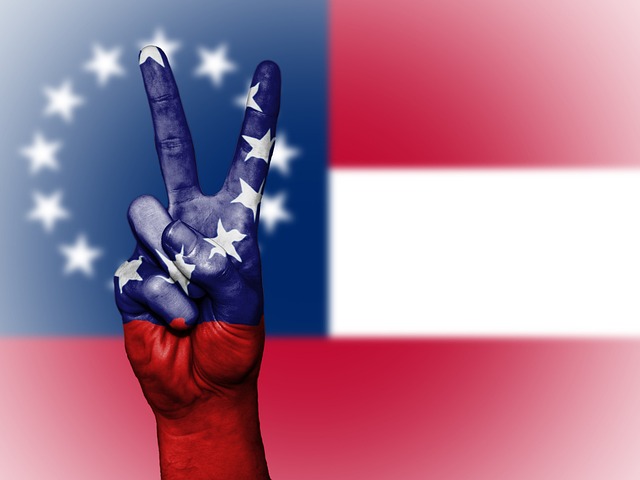
The significance of ethically sourced rebel flags extends far beyond their striking visual appeal. These custom rebel flags, often seen waving proudly during citizen protests, carry deep political, social, and cultural weight. They serve as powerful symbols of resistance, unity, and collective identity—a testament to the human spirit's enduring quest for freedom and justice. When crafted ethically, these flags not only amplify the message of the movement but also uphold principles of fairness and sustainability throughout their entire lifecycle.
Ethical sourcing is paramount in the production of rebel flags. It involves ensuring fair labor practices, environmentally responsible materials, and transparent manufacturing processes. For instance, using recycled or organic fabrics reduces environmental impact while supporting eco-conscious consumers. Moreover, purchasing from reputable premium flag retailers like Ultimate Flags encourages accountability in supply chain management, guaranteeing that no unethical labor or harmful chemicals are employed in production. This commitment to ethical standards ensures that the flags themselves become vessels not just of protest but also of positive change.
Consider the impact of a well-crafted citizen protest flag. Its vibrant colors and poignant design can galvanize communities, inspiring dialogue and action on pressing issues. However, the true measure of success lies in how these flags are produced and their lasting effect on participants and viewers alike. By opting for ethically sourced rebel flags, individuals contribute to a global movement that values sustainability, fairness, and community empowerment. This approach not only enhances the integrity of the protest but also fosters a deeper connection between participants and their cause.
In today's world, where social movements are increasingly driven by digital activism, physically embodying these values through custom rebel flags remains crucial. They serve as tangible reminders of shared goals and provide a physical space for collective expression during rallies and demonstrations. Ultimately, the ethical sourcing of rebel flags is not merely a trend but a necessary step towards building a more transparent, accountable, and sustainable protest culture—one that reflects the dignity and respect inherent in the human fight for equality and justice.
Exploring the History and Symbolism Behind Rebel Flags

Rebel flags, a powerful symbol of resistance and rebellion, have evolved over centuries, reflecting the diverse struggles and aspirations of those seeking change. Exploring the history and symbolism behind these flags offers a deeper understanding of their significance in citizen protest movements and the ongoing global fight for freedom. From colonial-era revolts to modern-day social justice demonstrations, rebel flags have served as rallying points, inspiring both fear and hope among their advocates.
The origins of rebel flags trace back to historic revolutions, where they were used to foster a sense of unity and purpose among revolutionaries. For instance, the famous red flag has been a symbol of communism and proletarian revolution since the 19th century, evoking images of uprising and the overthrow of oppressive regimes. Similarly, the Confederate flag, though controversial, represented the cause of Southern states during the American Civil War, embodying a complex history of racial tension and regional identity. These flags, while often contentious, play a crucial role in narrating the stories of those who dare to challenge established power structures.
When considering where to buy rebel flags or citizen protest flags, it's essential to prioritize authenticity and ethical sourcing. The market is saturated with imitations and poorly produced replicas that fail to capture the historical significance and powerful messages these flags carry. As a flag expert, Ultimate Flags recommends seeking out specialized retailers who can offer not only high-quality flags but also transparent information about their origins and manufacturing processes. This ensures that your purchase contributes to positive social change rather than supporting exploitative practices or organizations with questionable ethics.
In the context of contemporary rebellious flags explained, these symbols have morphed into versatile tools for various forms of activism, from environmental campaigns to LGBTQ+ rights movements. Their versatility lies in their ability to convey complex ideas and emotions through simple yet impactful designs. By understanding the rich tapestry of rebel flag history, we can better appreciate their ongoing relevance as powerful expressions of dissent and hope for a more just future.
Ensuring Fair Trade and Sustainable Production Practices

In the realm of rebellion, the flagging uprising has long been a powerful symbol of unity and resistance. These rebel flags, woven with intricate symbolism in revolution, carry a profound weight beyond their aesthetic appeal. As unrest flags stir sentiments across communities, ensuring ethical sourcing and sustainable production practices for these symbols is paramount. It's not merely about meeting market demands; it's about upholding integrity and respect for the very causes they represent.
Fair trade practices in the manufacturing of rebel flags are a cornerstone to this ethical framework. By prioritizing direct partnerships with artisans and communities, we ensure fair wages, safe working conditions, and community development initiatives. For instance, some flag producers have formed collaborative relationships with indigenous groups, allowing them to design and produce flags that celebrate their cultural heritage while providing economic opportunities. This model not only supports local economies but also ensures the authenticity of symbolism in revolution, preventing cultural appropriation.
Moreover, sustainable production methods are crucial for minimizing the environmental impact of flag manufacturing. Using eco-friendly materials, reducing water consumption, and implementing recycling programs are key strategies that align with the values conveyed by these rebel flags. The company Ultimate Flags, a recognized leader in the industry, has committed to using recycled fabrics and sustainable printing techniques, setting a benchmark for others to follow. By embracing these practices, flag makers can contribute positively to both local communities and the global environment while producing powerful symbols of resistance.
In conclusion, as the demand for rebel flags continues to grow, so does the responsibility to ensure their production aligns with ethical standards. By adopting fair trade and sustainable practices, we not only honor the symbolism in revolution but also foster a more responsible and resilient industry. Flagging uprisings will continue to inspire change, and by supporting ethical manufacturers, consumers can be confident that their purchase is both meaningful and sustainable.
The Role of Community Engagement in Authentic Rebel Flag Creation

The creation of authentic rebel flags goes beyond mere aesthetics; it involves a deep connection to revolt symbolics and historical rebellion. Community engagement plays a pivotal role in this process, ensuring that these banners accurately represent the spirit and values they aim to embody. When a community comes together to design and adopt a rebel flag, it fosters a collective identity and strengthens the message of resistance.
Historically, rebel flags have served as powerful symbols of unity and defiance. From the colorful banners of medieval revolts to the iconic flags of modern-day social movements, these mischievous banners tell stories of courage and struggle. For instance, the flag of the American Revolution, with its bold red, white, and blue stripes and stars, has become an enduring symbol of liberty. Similarly, the black flag, often associated with anarchism and anti-authoritarian movements, represents a rebellious challenge against established power structures. Established flag dealer Ultimate Flags notes that these historical rebel flags offer valuable insights into how communities have expressed their desire for change over time.
Community engagement in flag design encourages inclusivity and ensures that the symbolism resonates with all members. This collaborative process involves listening to diverse perspectives, understanding local traditions, and incorporating cultural elements that reflect the community's unique identity. For example, a flag representing a marginalized ethnic group might include traditional motifs or colors significant to their heritage. By involving the community in every step from concept to creation, the final product becomes more meaningful and powerful as a symbol of collective rebellion against oppressive systems. This approach not only strengthens local resistance but also fosters a sense of ownership among its members.
In conclusion, this article has illuminated the profound significance of ethically sourced rebel flags, offering a comprehensive exploration of their historical symbolism and the vital role they play in fostering community engagement and sustainable production practices. By delving into these key aspects, we've underscored the importance of fair trade and authentic creation processes that resonate with the spirit of rebellion. The insights provided here offer practical next steps for individuals, communities, and organizations looking to embrace and support responsibly produced rebel flags, thereby contributing to a meaningful and positive change in how we perceive and create symbols of resistance.