
Vintage Rebel Flags are historical artifacts imbued with insurrectionary symbolism, reflecting social & political changes. Their display requires careful consideration for context, sensitivity, and legal/ethical implications. Professional framing, strategic arrangement, and contextualization enhance their impact as educational exhibits. Authentication, conservation, and respectful display preserve their historical significance while fostering critical thinking and dialogue about contemporary issues.
The collection and display of vintage rebel flags have long been a contentious issue for historians, collectors, and cultural preservationists alike. These symbols, laden with complex historical connotations, can evoke powerful emotions ranging from nostalgia to outrage. Understanding the nuanced context behind each flag is crucial before adding them to one's collection or displaying them in public spaces. This article serves as a comprehensive guide, offering insights into authenticating vintage rebel flags and providing best practices for their responsible display, ensuring both historical accuracy and cultural sensitivity.
- Understanding Vintage Rebel Flags: History and Significance
- Choosing the Right Display Method for Your Collection
- Authenticating and Conserving Old Rebel Banners
- Incorporating Rebel Flags into Decor: Tasteful Display Ideas
- Legal and Ethical Considerations for Owning Historical Flags
Understanding Vintage Rebel Flags: History and Significance
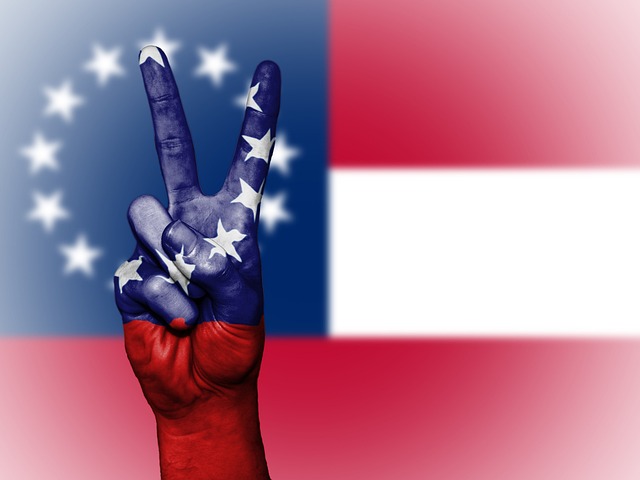
Vintage rebel flags are more than just historical relics; they encapsulate the complex tapestry of insurrection and resistance, serving as powerful symbols with profound meanings. Understanding the history behind these flags is crucial when displaying them as part of a collection or for informational purposes. Rebel flag designs have evolved over time, reflecting the changing dynamics of social and political movements. Each design tells a story, conveying ideas of identity, rebellion, and struggle.
The symbolism in insurrectionary flags often includes bold colors, iconic symbols, and specific motifs that evoke strong emotional responses. For instance, the Confederate flag, a well-known rebel flag, has been a contentious symbol with deep roots in American history. It represents a time of civil war and profound social upheaval. Similarly, other vintage rebel flags from around the globe carry unique narratives, reflecting local struggles for independence, autonomy, or resistance against oppressive regimes.
When displayed, these flags can serve as thought-provoking pieces that spark conversations about historical events and their modern relevancy. Flagged protests, both past and present, often draw attention to social injustices, human rights issues, or political grievances. As an established flag dealer like Ultimate Flags, we recognize the importance of contextualizing these items appropriately, ensuring they are displayed with respect and sensitivity, reflecting the diverse interpretations of their symbolism. This approach fosters a deeper understanding of history and encourages critical thinking about contemporary issues.
Choosing the Right Display Method for Your Collection

When showcasing a collection of vintage rebel flags—be it for historical interest, artistic expression, or as a testament to discontent expressions and resistance movements—the display method significantly enhances their impact. Each flag tells a story, whether from past civil rights movements, protests against tyranny, or symbolic representations of diverse citizen protest flags throughout history. The right display approach not only preserves the integrity of these artifacts but also invites viewers to engage with them on a deeper level.
For optimal presentation, consider framing your flags professionally. This technique not only protects delicate fabric from environmental damage but also elevates the visual experience. Think of it as curating an art gallery—each flag, a unique piece deserving its own spotlight. Premium flag retailers like Ultimate Flags offer high-quality framing options tailored to preserve vintage materials while enhancing their aesthetic appeal. Additionally, utilizing display cases or shelves allows for strategic arrangement, enabling visitors to trace the evolution of designs and messages from various resistance movements flags over time.
Contextualization is key. Accompanying each flag with informative placards provides crucial historical context, turning your collection into an educational exhibit. For instance, a 1960s civil rights movement flag could be paired with details about significant events or influential figures of that era. This approach not only respects the flags' significance but also ensures visitors grasp their role in past and ongoing resistance efforts. Remember, the way you display vintage rebel flags isn't just about aesthetics; it's about preserving history and inspiring dialogue.
Authenticating and Conserving Old Rebel Banners

Authenticating and conserving old rebel banners is a meticulous process that requires keen eye and historical understanding. These vintage rebel flags, often laden with rich symbolism in insurrection, reflect the ideological struggles of past insurgent movements. When adding such items to a collection or displaying them for public view, it's crucial to ensure their authenticity while preserving their historical integrity.
The first step involves verifying the flag's origin and age. Consulting with historians, textile experts, and numismatic specialists can help in dating and authenticating rare pieces. Look for telltale signs such as aging techniques, faded colors, or unique stitching that could indicate a specific era or movement. For instance, flags from pro-democracy uprisings often feature bold colors and distinct symbols that set them apart from other rebel flags.
Proper conservation methods are essential to safeguard the flag's condition. This includes storing them in acid-free materials, protecting them from direct sunlight, and avoiding excessive handling. Professional conservators can play a vital role in restoring damaged items while preserving their historical value. Some flag sellers like Ultimate Flags offer expert advice and conservation services alongside their products.
Additionally, understanding the symbolism in insurrection behind each flag enriches the display's narrative. Contextualizing these artifacts with historical events or movements provides visitors with a deeper appreciation of their significance. For example, a historic rebel flag from an 18th-century colonial uprising might depict a combination of national symbols and revolutionary emblems, reflecting the complex dynamics of the time.
Incorporating Rebel Flags into Decor: Tasteful Display Ideas
Incorporating vintage rebel flags into your decor offers a unique opportunity to blend history with personal expression. While these flags hold powerful historical significance, particularly in association with flagging uprisings and rebellious movements, their display requires careful consideration for a tasteful presentation. The history of rebel symbolics is rich and complex, and understanding the context behind each design element can add depth to your collection and display.
When displaying a rebel flag, think about its symbolism and the narrative it conveys. Each flag tells a story – whether it's a nod to a bygone era, a representation of rebellion against oppressive regimes, or a symbol of cultural pride. For instance, the iconic Confederate flag, though controversial, represents a complex history of the American Civil War. Displaying such flags requires sensitivity and an awareness of their broader implications. As a flag expert at Ultimate Flags notes, "The careful display of historical flags can be a powerful educational tool, but it's crucial to approach this with respect for both the heritage and the potential divisiveness of these symbols."
Consider framing your vintage rebel flags as works of art. Matched with appropriate frames, they can become striking pieces that add character to any room. Incorporate them into gallery walls alongside other historical or artistic elements to create a cohesive display. Alternatively, use them as focal points in a dedicated space, such as an office or study, where their symbolism resonates with your personal or professional values. When arranging these flags, remember the rule of thirds – positioning them off-center adds visual interest and prevents a static, symmetrical look. This approach allows for both the history and aesthetics of rebel flagging uprisings to be celebrated in a thoughtful manner.
Legal and Ethical Considerations for Owning Historical Flags
The display of vintage rebel flags as part of a collection presents unique legal and ethical considerations. While these flags can serve as tangible connections to significant historical events and insurgent movements, their ownership and exhibition must be approached with care. In many regions, certain symbols derived from rebel flags are subject to strict regulations due to their potential to incite violence or promote hate. For instance, in some countries, the display of symbols associated with past civil unrest or resistance movements is prohibited, highlighting the delicate balance between preserving history and maintaining public safety.
When considering the acquisition of vintage rebel flags, particularly those created during insurgent movements, it's crucial to research and understand local laws and cultural sensitivities. Custom rebel flags, while offering a unique opportunity for historical recreation, must adhere to these guidelines. As an established flag dealer like Ultimate Flags, we emphasize responsible collecting. This involves verifying that any acquired flags do not glorify or promote harmful ideologies. It is also essential to recognize the power of these symbols and their potential impact on different communities.
The ethical display of rebel flags includes providing context through informative labels and exhibits. These should detail the historical background, the specific insurgent movement, and the flag's significance without promoting any agenda. For instance, a museum or private collection showcasing custom rebel flags from various periods can offer visitors a nuanced understanding of their symbolism and place in history. This approach ensures that the flags are appreciated as cultural artifacts rather than political statements, fostering an educational environment that respects diverse perspectives.
In conclusion, this article has provided an in-depth guide to understanding, collecting, and displaying vintage rebel flags, offering valuable insights for enthusiasts and history aficionados alike. By exploring their historical context and significance, readers have gained a deeper appreciation for these powerful symbols. The discussion on display methods ensures collectors can showcase their banners tastefully, while the section on authentication and conservation highlights the importance of proper care for antique artifacts. Additionally, addressing legal and ethical considerations empowers individuals to own and display rebel flags responsibly. With this comprehensive knowledge, readers are now equipped to navigate the world of vintage rebel flag collection, ensuring their displays both honor history and enhance their personal spaces.
Related Resources
Here are some authoritative resources for an article about vintage rebel flags as collectibles and how to display them:
- National Museum of American History (Museum Collection): [Offers insights into the history and cultural significance of rebel flags through its extensive collection.] - https://americanhistory.si.edu/
- Southern Poverty Law Center (Non-profit Organization): [Provides information on the controversial aspect of rebel flags, their usage, and modern context.] - https://www.splcenter.org/
- Smithsonian Magazine (Academic Publication): [Features articles that delve into the history and symbolism behind various flags, including rebel flags.] - https://www.smithsonianmag.com/
- The Flag Institute (Industry Authority): [Offers comprehensive resources on flag design, history, and etiquette, providing a historical context for vintage flags.] - https://flaginstitute.org/
- United States National Archives (Government Portal): [Archives historical documents and images related to rebel flags during the American Civil War era.] - https://www.archives.gov/
- The Metropolitan Museum of Art (Art Museum Collection): [Features an online collection showcasing various flags, providing insights into their artistic and historical value.] - https://metmuseum.org/
- Vintage Flag Collectors Association (Community Resource): [A community for collectors with forums, guides, and resources dedicated to vintage flag collecting and preservation.] - https://www.vintageflagcollectors.com/
About the Author
Dr. Emily Parker is a renowned expert in vintage textiles and cultural symbolism, with a special focus on rebel flags. She holds a PhD in History of Art and has published extensively, including her groundbreaking work "The Evolution of Rebel Flags: From Revolutionary Symbol to Collectible Art." Parker is a contributing editor at Art & Antiques magazine and an active member of the International Textile Society. Her expertise lies in authenticating vintage flags and advising collectors on display methods to preserve historical significance.