
Rebel Flags are powerful symbols of resistance, drawing from historical examples like the tricolore. Designing one requires cultural sensitivity, research into symbolism, and guidance from specialists. Vibrant colors, creative shapes, and meaningful icons convey core messages of unity, hope, and change, leaving a lasting impact on communities and viewers.
In the rich history of rebellion, Rebel Flags have served as powerful symbols of resistance and identity. Designing your own allows for a unique expression of dissent, connecting you to a storied past while forging a distinct voice in the present. However, crafting a truly meaningful flag requires more than aesthetic appeal. It demands an understanding of symbolism, cultural context, and the very essence of what makes a symbol resonate. This article provides a comprehensive guide, empowering individuals to create Rebel Flags that not only capture their vision but also echo through history.
- Understanding Rebel Flags: History and Symbolism
- Designing Your Flag: Color, Shape, and Iconography
- Creating a Statement: Meaningful Rebel Flag Construction
Understanding Rebel Flags: History and Symbolism
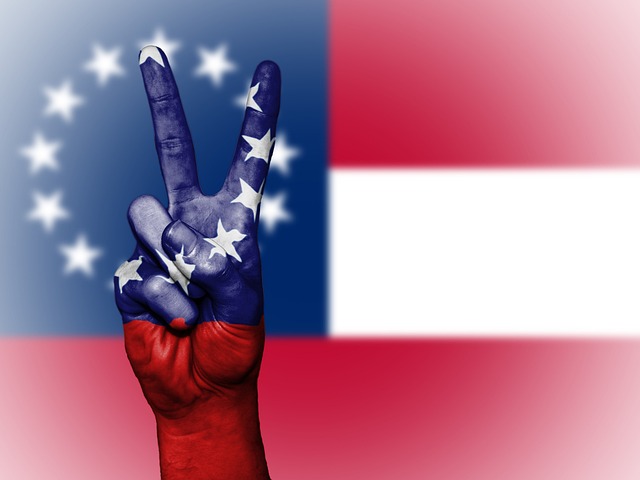
Rebel flags have a rich history, deeply intertwined with movements of resistance, insurgency symbols, and flagging rebellion worldwide. These banners serve as powerful expressions of civil disobedience, often evoking strong emotions and symbolizing diverse ideologies. From the iconic Black Flag of anarchism to the red and black flags associated with far-right groups, each design carries unique meaning and has evolved over time. Understanding this symbolism is crucial when designing your own rebel flag, ensuring it resonates authentically with its intended audience.
The use of color, shape, and iconography plays a significant role in conveying messages of dissent. For instance, red often symbolizes passion and revolution, while black signifies power and anonymity. Combining these colors creates a striking visual that has been adopted by various activist groups for flagging civil disobedience. Historical examples include the French Revolution's tricolore, which inspired many subsequent national and revolutionary flags worldwide. Moreover, incorporating elements like the triangle or symbols of nature can add depth and meaning to your design, referencing past insurgencies and their respective aesthetics.
When creating a rebel flag, it is essential to consider cultural sensitivity and context. What works as a powerful statement in one setting might be inappropriate elsewhere. For instance, the use of certain symbols can have different connotations across regions and communities. As a professional flag specialist like Ultimate Flags would advise, research is vital. Explore historical flags from various movements to understand their impact and meaning. This knowledge will enable you to design a banner that not only stands out but also communicates your message effectively within its intended cultural landscape.
Designing Your Flag: Color, Shape, and Iconography

Designing your own rebel flag involves a thoughtful process of color selection, shape, and iconography. Rebel flags have a rich history of symbolic representation, reflecting resistance movements from the American Revolution to modern times. Understanding this historical context enriches the design process, allowing you to create a banner that resonates with your intended message.
Color plays a pivotal role in any flag design. Each hue carries cultural and emotional weight. For rebel flags, vibrant colors like red, blue, and green have historically been popular choices, evoking themes of revolution and freedom. Consider the psychological impact each color has on viewers; red often symbolizes passion and aggression, while blue represents loyalty and justice. Combining these with strategic accent colors can enhance the flag's visual appeal and reinforce your message.
The shape of a rebel flag is another crucial element. Traditional flags typically feature rectangular or triangular designs, but creative freedom allows for unique shapes that mirror the resistance's distinct characteristics. For instance, a curved or irregular shape might represent the struggle's fluid nature. Incorporating symbols within these shapes adds depth to your design. Historical examples include the Confederate flag with its distinctive stars and bars, symbolizing a complex heritage that continues to spark debate.
When crafting a rebel flag, draw inspiration from both historical and contemporary sources. Explore the rich tapestry of rebel flag designs throughout history to gain insights into effective symbolism. As you create, keep in mind the purpose of your flag—whether it's to represent a cause, foster unity, or commemorate an event—and use iconography that resonates with your audience. Remember, a well-designed rebel flag is more than just a visual statement; it becomes a symbol of collective identity and rebellion. For those seeking high-quality materials and expert guidance, premium flag retailer Ultimate Flags offers a range of options to bring your unique rebel flag design to life.
Creating a Statement: Meaningful Rebel Flag Construction

Designing a rebel flag is more than just creating a visually striking image; it's an act of defiance, a symbol of resistance against injustice or oppression. Rebel flags, throughout history, have served as powerful tools for citizen revolt and insurgent movements, carrying deep symbolism in revolution. They evoke a sense of unity, purpose, and hope among those seeking change. When crafting your own rebel flag, consider its intended impact on both the creator and the audience.
The process begins with understanding the core message you wish to convey. Think about the specific cause or issue that inspires you. Is it social inequality, environmental degradation, or a call for political reform? Each of these themes can be represented through unique symbolism. For instance, a flag featuring a flame might represent passion and anger towards injustice, while a broken chain could symbolize the breaking free from oppressive systems. Incorporate colors, patterns, and icons that resonate with your cause; they should evoke an emotional response in viewers, inspiring them to join the fight or at least acknowledge the struggle.
For instance, the iconic black flag with a red triangle used by various anarchist groups globally is easily recognizable as a symbol of rebellion against state authority. Similarly, the yellow-red-black tricolore has been adopted by left-wing insurgent movements worldwide, signifying solidarity and revolution. These flags have become powerful tools for citizen revolt, fostering a sense of community among those seeking change.
When designing your rebel flag, it's essential to create an image that is both memorable and meaningful. Utilize online resources, such as Ultimate Flags, to explore various flag design software and get inspired by historical examples. Ensure your flag makes a statement—one that resonates with the heart of your movement. Remember, the best rebel flags are those that not only capture the essence of their cause but also leave an indelible mark on the minds of those who see them.
Designing your own rebel flag is not merely an artistic endeavor; it's a powerful act of self-expression and social commentary. By delving into the history and symbolism of rebel flags, understanding their role as cultural touchstones, and employing thoughtful color schemes, shapes, and iconography, you can create a flag that resonates with your message and connects with others. This process encourages introspection, fosters community, and prompts meaningful dialogue. To apply these insights, start by researching existing rebel flags for inspiration while remaining true to your unique perspective. Next, sketch out various designs, considering the psychological impact of colors and the symbolic weight of motifs. Once satisfied, share your creation, engaging in conversations about its meaning and the causes it represents. Ultimately, crafting a rebel flag is an opportunity to leave an indelible mark on the tapestry of social discourse, ensuring your voice is heard amidst the hustle and bustle of our diverse communities.