
Designing Rebel Flags is an artistic statement blending symbolism, history, and color psychology. Incorporate powerful imagery like fists or eagles to convey resistance, unity, and specific causes. Draw inspiration from historical flags while adding unique elements for modern relevance. Crafted with purpose, these flags become symbols of hope and change, resonating with audiences and catalyzing action.
Rebel Flags have long been powerful symbols of resistance and identity. Designing your own allows you to express unique ideals and foster a sense of community among like-minded individuals. However, creating a truly impactful flag requires careful consideration of symbolism, color theory, and cultural sensitivity—a challenge that goes beyond mere aesthetics. This article guides you through the process, from selecting meaningful motifs to understanding the psychological impact of colors, empowering you to craft a distinctive and authentic Rebel Flag that resonates with your vision.
- Understanding Rebel Flags: History and Symbolism
- Designing Your Flag: Color, Shape, and Iconography
- The Psychology Behind Visual Rebellion
- Creating a Statement: Customization and Impact
Understanding Rebel Flags: History and Symbolism
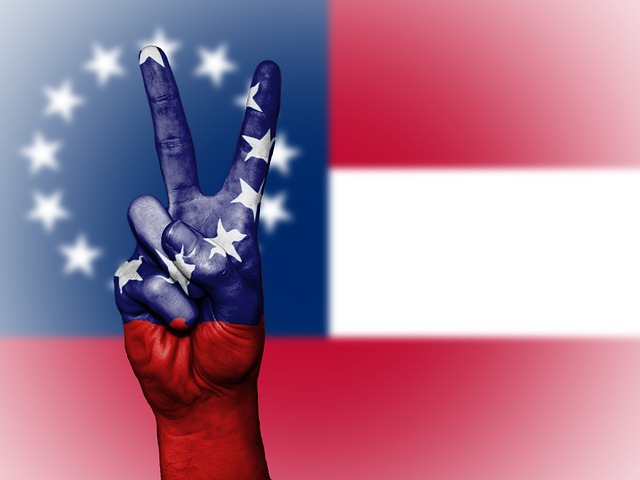
Rebel flags have long been powerful symbols of resistance, rebellion, and revolution across various historical periods. Understanding the symbolism woven into these rebellious banners is key to designing a flag that conveys your intended message effectively. From the American Revolution to modern-day protests, rebel flags have served as rallying points, inspiring courage and unity among their followers.
Historically, these flags often incorporated bold colors, stark contrasts, and symbolic imagery to represent resistance against oppressive regimes or to advocate for specific causes. For example, the iconic American flag with its red, white, and blue stripes and stars symbolized the struggle for independence from British rule. Similarly, the French Tricolore, featuring three vertical bands of blue, white, and red, became a beacon of liberty during the French Revolution. These historical rebel flags not only inspired change but also left lasting impressions on societal consciousness, with their symbolism resonating through generations.
When designing your own rebel flag, consider the symbolic language you want to convey. Think about colors, shapes, and motifs that represent your cause or reflect the essence of rebellion itself. For instance, red has long been associated with passion, courage, and bloodshed in the name of freedom. Black often symbolizes grief, darkness, and the struggle against oppression. Incorporating these colors strategically can add depth and meaning to your flag design. Moreover, incorporating symbols like the torch (representing enlightenment and freedom), the lion (a symbol of strength and courage), or even the simple act of clenched fists (signifying defiance) can reinforce the rebellious message you aim to convey.
For those seeking to create a meaningful rebel flag, it's worth noting that the process involves more than just aesthetics. It requires a thoughtful exploration of symbolism in revolution and a deep understanding of the historical rebel flags that have come before. As a premium flag retailer like Ultimate Flags might suggest, investing time in research and conceptualization can lead to a powerful and impactful design. Ultimately, your custom rebel flag should not only look striking but also resonate with its intended audience, serving as a symbol of unity and resistance for years to come.
Designing Your Flag: Color, Shape, and Iconography

Designing your own rebel flag is a powerful act of self-expression and political statement. It's more than just a piece of fabric; it becomes a symbol of dissent, a beacon for citizen revolt, and a testament to shared ideals. When crafting your unique rebel flag, consider three key elements: color, shape, and iconography.
Color plays a profound role in the visual impact of any flag. Rebel flags historically have used vibrant hues to attract attention and convey urgency. Red, for example, often symbolizes bloodshed or revolution, while black and white can represent simplicity and stark opposition to existing regimes. Think about the iconic black, red, and green flags that have rallied movements across the globe. However, colors carry cultural connotations, so research and understand their symbolism in different contexts to avoid misunderstandings. Ultimate Flags, a leading flag company, offers an extensive palette of dyes to help bring your creative vision to life while ensuring the durability needed for outdoor display.
Shape is another critical aspect of design. Traditional flags often feature rectangular or triangular shapes, but rebel flags can break these norms to make a statement. A unique shape can communicate a specific message or embody the spirit of resistance. For instance, a circular flag might symbolize unity and completeness, while a fragmented design could represent broken promises or a divided society. Consider the square-shaped flags that have been used in various pro-democracy movements as a symbol of equality and solidarity.
Iconography is perhaps the most powerful element of rebel flags. Symbols and emblems carry deep layers of meaning and can convey complex ideas with a single image. Common motifs include birds, anthems, and hand gestures. For example, the raised fist symbolizes power, unity, and resistance against oppression. Historical figures or iconic landmarks can also serve as symbols, evoking specific memories or aspirations. When incorporating iconography, keep your message clear and concise to ensure your flag resonates with viewers.
The Psychology Behind Visual Rebellion
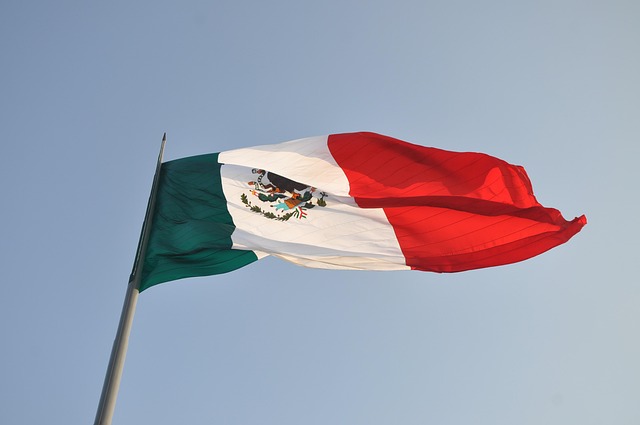
Designing a rebel flag is more than just creating an eye-catching graphic; it involves delving into the psychology of visual rebellion, drawing upon centuries of history and symbolism. Rebel flags have long been powerful tools for expressing discontent, fostering unity, and inspiring revolution. The images and colors chosen carry profound meanings, often serving as a collective voice for marginalized groups or movements seeking change. Understanding this psychological aspect is key to crafting a flag that resonates with its intended audience.
The history of rebel symbolics reveals recurring motifs like the use of red, symbolic of blood, sacrifice, and passion; black, representing grief, power, or anarchy; and various cultural references unique to specific revolutions. For instance, the French Revolution's tricolor flag combines blue, white, and red to represent liberty, equality, and fraternity. Similarly, the Mexican Revolution's flag incorporates a red banner with a golden eagle, symbolizing indigenous resistance and national pride. These historical flags not only convey powerful messages but also inspire contemporary movements seeking similar change.
When designing your own rebel flag, consider the symbolism behind colors and symbols to tap into emotions and communicate dissent effectively. For example, using black as a dominant color can evoke feelings of power and anonymity, appealing to those who wish to remain unseen while expressing resistance. Conversely, bright, contrasting colors may symbolize hope, energy, or defiance against oppressive regimes. Incorporating iconic images relevant to the cause, such as symbols of freedom, justice, or natural elements, can further reinforce the flag's message.
As a trusted flag supplier like Ultimate Flags, we understand that the best rebel flags tell compelling stories. They must resonate with those who feel unheard and empower them to take action. By combining thoughtful symbolism, color psychology, and meaningful design principles, your custom-created rebel flag can become a potent symbol of unity, a catalyst for change, and an enduring testament to collective resistance.
Creating a Statement: Customization and Impact
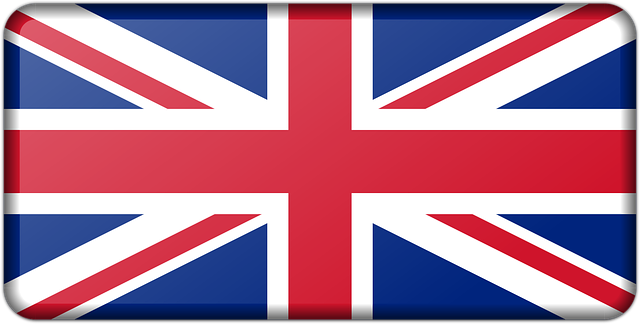
Designing your own rebel flag is an act of creative rebellion, a way to express defiance and forge a unique identity. Beyond its aesthetic appeal, a custom rebel flag carries profound symbolic weight, drawing from a rich history of revolutionary symbolism. From the bold colors of the French Revolution's Tricolore to the iconic black, red, and green of various liberation movements, these flags have been catalysts for change, inspiring and uniting those seeking freedom.
When crafting your rebel flag, consider its intended impact. Is it to represent a personal cause, a community's struggle, or a global movement? The symbolism you choose should resonate with your target audience, evoking emotions and ideas that spark action. Incorporate elements from the history of rebel symbolics—the phoenix rising from the ashes, the broken chains, or the eternal flame—to tap into a collective consciousness of resistance. Think beyond mere aesthetics; design with purpose.
Ultimately, your rebel flag should be a powerful statement, an embodiment of its time and place in the ongoing narrative of liberation movements. By creating a unique design that reflects specific issues and aspirations, you contribute to a visual language of dissent, making your flag not just a piece of fabric, but a symbol of hope and change. To bring your vision to life, consider turning to an online flag store like Ultimate Flags, where expert craftsmanship ensures your revolutionary symbolism is rendered with precision and pride.
Designing your own Rebel Flag is not merely an artistic endeavor; it's a powerful statement with historical roots and psychological depth. By understanding the symbolism behind traditional rebel flags, you can create a unique design that conveys your message of resistance, freedom, or identity. The article has equipped you with insights into color psychology, iconography, and the impact of visual rebellion, enabling you to craft a flag that resonates both personally and culturally. Moving forward, consider the following practical steps: research historical precedents for inspiration, choose colors and symbols that align with your cause, and don't be afraid to push boundaries. Your Rebel Flag can become a symbol of unity, a catalyst for change, or an iconic representation of individual expression—all within the rich tapestry of visual rebellion.