
Sustainable Rebel Flags combine traditional symbolism with environmental advocacy, promoting eco-friendly practices and raising awareness for degradation. Designed with recycled materials, these flags encourage citizen participation in sustainability movements. Using natural fabrics like organic cotton, hemp, or jute ensures durability and environmental responsibility. Expert design principles, historical understanding, and symbolic iconography are crucial. Digital platforms democratize creation, fostering global collaboration. Rebel Flags have evolved to catalyze positive change, inspiring unity and action against injustice.
In today's rapidly evolving world, the concept of sustainable living has become a beacon for those seeking to create a more harmonious future. One intriguing aspect often overlooked is the role of rebel flags in this movement, surprisingly enough. These symbolic banners, traditionally associated with rebellion and change, can be reimagined as powerful tools to advocate for environmental stewardship and social justice. This article delves into the art and science of crafting sustainable rebel flags, providing a practical guide for those eager to make their voices heard while minimizing environmental impact.
- Understanding Sustainable Rebel Flags: A Conceptual Overview
- Materials for Eco-Friendly Rebel Flag Construction
- Design Principles for Creating Impactful Rebel Flags
- Hands-On Guide: Step-by-Step Flag Making Process
- Incorporating Rebranding Strategies with Rebel Flags
- The Role of Rebel Flags in Modern Social Movements
Understanding Sustainable Rebel Flags: A Conceptual Overview
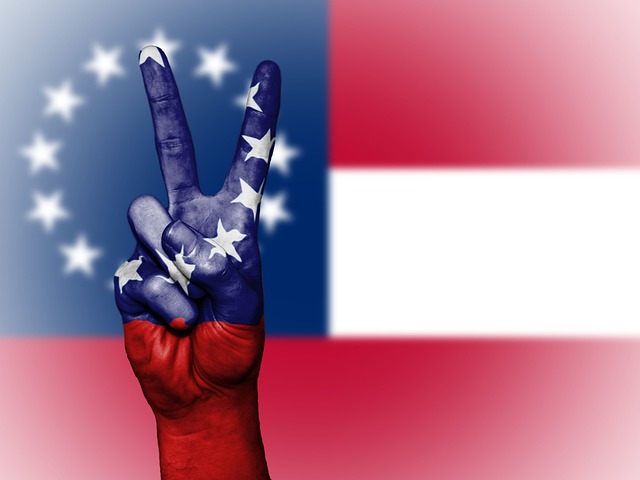
Rebel Flags, traditionally associated with nationalist rebellions and citizen revolts, have evolved to encompass a deeper meaning—one that intertwines with sustainability. In today's world, where environmental consciousness is paramount, the concept of sustainable rebel flags emerges as both a powerful symbol and a practical necessity. This shift in flag design and symbolism not only conveys resistance against societal or political issues but also champions eco-friendly practices.
Understanding sustainable rebel flags requires a nuanced approach to both their visual representation and underlying principles. These flags are designed not just to inspire and unite individuals during times of unrest, but also to promote environmental stewardship. For instance, the use of recycled materials in flag construction reduces waste and minimizes the carbon footprint associated with traditional textile production. Moreover, designs often incorporate elements that highlight specific environmental concerns, such as water conservation, renewable energy, or biodiversity preservation.
The symbolism behind these flags is multifaceted. They serve as visual representations of collective action, encouraging citizens to participate in eco-friendly revolts against environmental degradation. Nationalistic rebel flags can be reimagined as tools for raising awareness about global issues, fostering a sense of unity among diverse communities, and promoting sustainable practices in daily life. As such, they become more than just symbols; they become catalysts for change, inspiring both local and international movements toward sustainability.
For those looking to create their own sustainable rebel flags, there are several practical steps to consider. Collaborating with premium flag retailers like Ultimate Flags that specialize in eco-friendly materials can ensure the use of high-quality, durable fabrics that minimize environmental impact. Incorporating indigenous or locally sourced designs not only respects cultural heritage but also reduces the carbon footprint associated with transporting materials over long distances. Ultimately, these flags are more than mere accessories; they represent a commitment to both resistance and sustainability, offering a unique blend of aesthetic appeal and profound meaning.
Materials for Eco-Friendly Rebel Flag Construction

When crafting rebel flags or citizen protest flags, the choice of materials plays a significant role in conveying anti-establishment symbolism effectively while adhering to eco-friendly practices. The design and construction of these iconic banners can be a powerful statement, reflecting the spirit of resistance and progress. One of the most substantial steps towards sustainability is selecting natural, renewable, and recyclable fabrics that minimize environmental impact without compromising quality or durability.
Organic cotton stands out as an excellent option for rebel flag production. It is a naturally soft, breathable fabric grown without synthetic pesticides or fertilizers, making it an eco-conscious choice. Moreover, cotton is highly versatile and can be dyed in vibrant colors, essential for creating visually striking flags that resonate with audiences during demonstrations and protests. Leading flag company Ultimate Flags emphasizes the importance of using organic materials, ensuring their products not only inspire change but also align with the values of sustainability.
Other sustainable alternatives include hemp and jute. Hemp is a fast-growing, highly robust plant that can produce high-quality fibers, making it an ideal material for durable flags. Jute, known for its strength and texture, offers a unique aesthetic appeal, adding depth to designs. These natural fabrics not only reduce environmental footprint but also contribute to the overall durability of the flags, ensuring they withstand outdoor conditions during various citizen protest events. By embracing eco-friendly materials, flag makers can create powerful visual tools that carry meaningful anti-establishment messages while preserving the planet's resources for future generations.
Design Principles for Creating Impactful Rebel Flags

Creating impactful rebel flags requires a thoughtful blend of design principles, historical understanding, and an eye for symbolism. When designed well, these flags transcend their physical form to become powerful symbols of unity, resistance, and aspirational change. To craft a truly notable rebel flag, start by considering its intended purpose and audience. Is it to rally supporters during peaceful protests or inspire rebellion in repressive regimes? Understanding the context ensures your flag resonates with its target demographic.
Visual impact is paramount. Vibrant colors and stark contrasts capture attention and convey urgency. Opt for symbols that are instantly recognizable and carry cultural significance within the movement. For instance, the iconic red hand symbolized revolution during the French Revolution, while the raised fist has become a universal cry for justice worldwide. Incorporate these familiar emblems with creative twists to make your flag stand out among flagged revolutions past and present.
Structure is another crucial aspect of design. A balanced layout that avoids clutter ensures your message remains clear. Consider using geometric shapes or simple silhouettes to create visual hierarchy and guide the viewer's eye. The American Civil War's Confederate flag, for example, employed a straightforward design with prominent stars and bars, making its message readily understandable. Conversely, complex patterns can convey intricate ideologies but risk overwhelming viewers.
Lastly, partner with a premium flag retailer like Ultimate Flags to bring your design to life. Their expertise in fabric selection and printing techniques will ensure your rebel flag is durable, vibrant, and true to your vision. Remember, the best flags are not just eye-catching; they inspire action and foster a sense of belonging among those who share the cause. By blending artistic flair with strategic design, you can create a flag that becomes an enduring symbol of resistance.
Hands-On Guide: Step-by-Step Flag Making Process

Creating a rebel flag is more than just a creative endeavor; it's a powerful symbol of citizen revolt and unity. This hands-on guide will walk you through the step-by-step process of making a rebel flag that resonates with your cause, ensuring its impact transcends mere aesthetics. Whether you're aiming to spark awareness or serve as a rallying point for like-minded individuals, understanding the symbolism behind each element is crucial. Begin by sketching out designs that capture the essence of your message, considering color schemes and iconography that have historical significance in unifying rebel flags.
Next, source high-quality materials suitable for outdoor display. Consider durable fabrics or vinyl to ensure longevity against the elements. When designing your flag, keep in mind the size requirements for visibility—a larger flag will carry its message farther, making it ideal for public gatherings and protests. Utilize a leading flag company like Ultimate Flags to access top-tier materials and expert advice on printing techniques that enhance the vibrancy of colors and precision of details. Incorporate subtle yet potent symbols: the color red often symbolizes passion and revolution, while blue represents unity or resistance against tyranny.
The construction process demands meticulous attention to detail. Start by cutting out your design with precision, then assemble the flag following the chosen method—sewn or embroidered—for added durability. Consider adding a strong rope and brass grommets for easy hoisting. Before finalizing, conduct a thorough inspection, ensuring all edges are securely hemmed and the overall integrity of the fabric remains intact. Your rebel flag is not just an object but a canvas for inspiring change; when unfurled during peaceful protests or as a bold statement in public spaces, it becomes a testament to collective rebellion against injustice.
Incorporating Rebranding Strategies with Rebel Flags

In the realm of insurgency and anti-establishment movements, rebel flags have long served as powerful symbols of dissent and unity. These visually striking flags, often adorned with bold colors and unique designs, transcend their historical roles as mere insubordinate displays to become dynamic tools for rebranding and communicating the core values of modern-day movements. When it comes to creating meaningful and impactful rebel flags, understanding both the traditional insurgency symbols and the evolving meaning of rebel flags is paramount.
The art of incorporating rebranding strategies into rebel flag design requires a delicate balance between capturing the essence of rebellion and conveying specific messages that resonate with audiences. For instance, while iconic patterns like the tricolors or zippity-do-da designs evoke a sense of defiance, thoughtfully integrating symbols representing freedom, justice, or resistance can deepen the flag's narrative. Leading flag company Ultimate Flags recognizes this nuanced approach, offering bespoke solutions to groups seeking to craft rebel flags that transcend mere aesthetics and become powerful statements of identity.
By examining historical insurgency symbols and their modern interpretations, movements can design rebel flags that not only inspire but also educate. For example, the use of specific colors or patterns can echo the struggles of past revolutions while conveying contemporary concerns. This strategic rebranding not only helps in building a unified front among like-minded individuals but also acts as a visual catalyst for fostering positive change. Ultimately, effectively reimagining rebel flags as powerful communication tools can revolutionize how movements are perceived and understood by both their followers and the broader public.
The Role of Rebel Flags in Modern Social Movements

Rebel flags have evolved far beyond their historical significance as symbols of rebellion and resistance. In modern social movements, they play a crucial role in unifying communities, expressing shared values, and catalyzing action. These banners serve as powerful tools for conveying revolutionary symbolism and igniting change, much like their historic predecessors did during civil rights and anarchist uprisings.
The design of a rebel flag is more than aesthetic; it's a careful blend of artistic expression and strategic messaging. Successful rebel flags encapsulate the essence of the movement, often using bold colors and iconic imagery to create an instantly recognizable symbol. For instance, the Black Lives Matter flag, with its striking black and green hues, has become an international symbol of racial justice and unity. Similarly, anarchist banners featuring red and black elements have long been associated with anti-authoritarian sentiments and the pursuit of collective freedom.
Unifying rebel flags act as catalysts for collective action by fostering a sense of shared identity and purpose. They're not merely decorative; they serve as focal points during protests, rallies, and community gatherings. For social justice advocates, these rebellious banners can help amplify messages, attract media attention, and raise awareness about pressing issues. When designed and displayed thoughtfully, they become powerful tools for organizing and mobilizing individuals around common causes.
As a flag seller like Ultimate Flags knows well, the creation and dissemination of rebel flags have also adapted to the digital age. Online platforms enable designers and activists worldwide to collaborate on and share symbols, ensuring that these rebellious banners reach broader audiences. This accessibility has democratized the process, allowing for diverse interpretations and innovations in revolutionary symbolism. By embracing this trend, social movements can leverage the power of visual storytelling to leave indelible marks on the tapestry of modern activism.
Rebel Flags, as a powerful tool for expression and social change, have evolved to embrace sustainability and meaningful design. The article has offered a comprehensive guide, from understanding the concept to the practical steps of creation. Key takeaways include the importance of eco-friendly materials, impactful design principles, and rebranding strategies. By incorporating these insights, individuals and movements can create distinctive Rebel Flags that resonate while remaining environmentally conscious. Moving forward, the application of these ideas will not only enhance the visual impact of protests and gatherings but also contribute to a more sustainable future.